

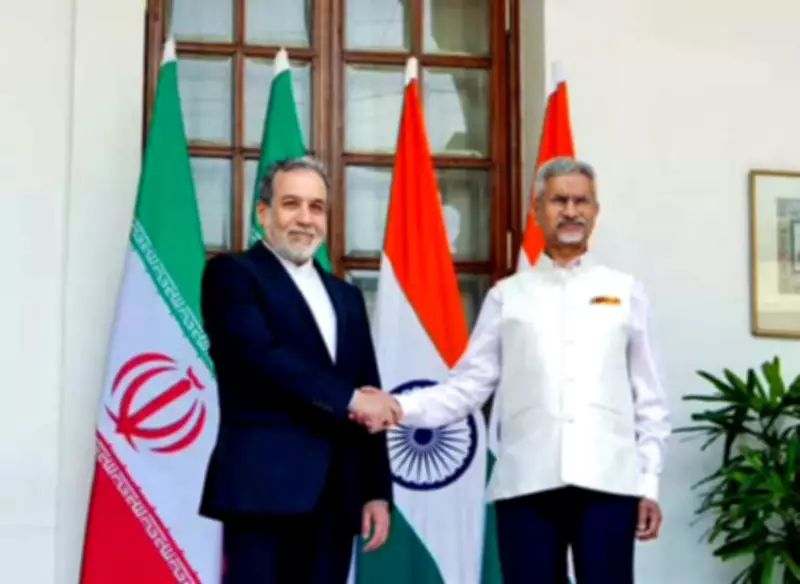
New Delhi: External affairs minister S Jaishankar held a telephone conversation with his Iranian counterpart Seyed Abbas Araghchi on Wednesday, exchanging views on the latest developments related to the US-Iran ceasefire, bilateral relations, as well as regional and international issues, according to the Iranian embassy here.
Jaishankar's statement on the call
Jaishankar posted on X that he received a call from Araghchi. 'Had a detailed conversation about various aspects of the current situation. We agreed to remain in close touch,' he said. This marked the sixth conversation between the two foreign ministers since the onset of the West Asia conflict on February 28 and subsequent threats concerning the Strait of Hormuz.
Key points discussed
It is understood that Jaishankar emphasized the importance of resolving issues through dialogue and diplomacy, and also stressed the need for safe passage for commercial shipping through the Strait of Hormuz. The conversation took place ahead of a meeting of Brics foreign ministers scheduled in India next month. Iran is a member of the grouping, and Araghchi is expected to participate, though there is no official confirmation yet.

Brics has struggled to present a unified stance on the conflict so far. A meeting of special envoys last week in India, which currently holds the group's chair, concluded without a joint statement due to a lack of consensus. India attributed this to the presence of countries party to the conflict within the grouping.
Background on the Strait of Hormuz tensions
After weeks of Iranian blockade of the strait, the United States has imposed its own naval blockade of Iranian imports to compel Tehran to reopen the waterway. According to a Reuters report from Washington, President Trump discussed with US oil firms how to mitigate the impact of a potential months-long blockade of Iran's ports. Tehran has warned of 'unprecedented military action' in response to continued US blockading of Iran-linked vessels.
The situation remains tense, with both sides engaging in diplomatic and military maneuvers. India has consistently called for de-escalation and peaceful resolution of conflicts in the region.






