

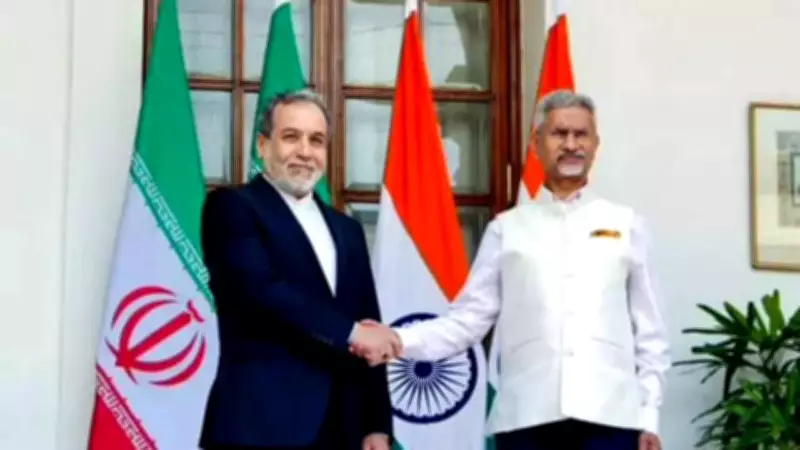
Jaishankar and Iranian Foreign Minister Hold Fourth Phone Call Amid Regional Unrest
External Affairs Minister S Jaishankar engaged in his fourth telephone conversation with Iranian Foreign Minister Abbas Araghchi on Thursday, as tensions continue to escalate across the Middle East. This latest diplomatic exchange marks another chapter in the ongoing dialogue between the two nations during a period of significant regional instability.
Discussion Focus: Bilateral Ties and BRICS Cooperation
In a post on social media platform X, Jaishankar confirmed the conversation, stating, "Had another conversation with Iranian FM Seyed Abbas Araghchi yesterday night. Discussed bilateral matters as also BRICS-related issues." The discussion underscores India's continued engagement with Iran on multiple fronts, including their shared interests within the BRICS economic bloc.
Series of Diplomatic Exchanges Since Conflict Outbreak
This interaction is part of a series of recent calls between the two ministers that began following the outbreak of conflict in the region on February 28. Earlier this week, both leaders specifically addressed the volatile situation in the Strait of Hormuz, a critical global shipping passage for energy supplies.

During that previous conversation, Jaishankar emphasized the paramount importance of ensuring safe merchant shipping through this vital waterway, which connects the Persian Gulf to international trade routes. The security of this corridor is essential for global energy stability and economic continuity.
Iran's Perspective on Regional Maritime Security
According to a readout released by Iran's foreign ministry, the two sides also examined the impact of ongoing conflicts on maritime traffic throughout the region. The Iranian side attributed the instability affecting shipping in the Persian Gulf to what they described as "aggressive and destabilising actions" by the United States.
Iran's foreign ministry further stated that Araghchi called upon the international community to hold Washington accountable for these actions. Additionally, the Iranian minister raised significant concerns about the consequences of U.S. and Israeli military operations on regional stability and maritime security.
India's Emphasis on Bilateral Relations and Regional Stability
Meanwhile, Jaishankar stressed the importance of maintaining and strengthening bilateral ties between New Delhi and Tehran. He highlighted the necessity of continued consultations between the two nations to help restore stability in the troubled region.
This diplomatic engagement occurs against a backdrop of heightened military activities, including Israel's reported strikes on over 200 targets in Iran and incidents involving drones in Beirut. The situation remains fluid, with global attention focused on the potential for further escalation.
The consistent communication between Indian and Iranian officials demonstrates New Delhi's proactive diplomatic approach to navigating complex international relationships while advocating for regional peace and secure trade routes that are crucial for global economic stability.






