Lavrov Accuses Trump of 'False Promises' Amid Iran Nuclear Deadlock
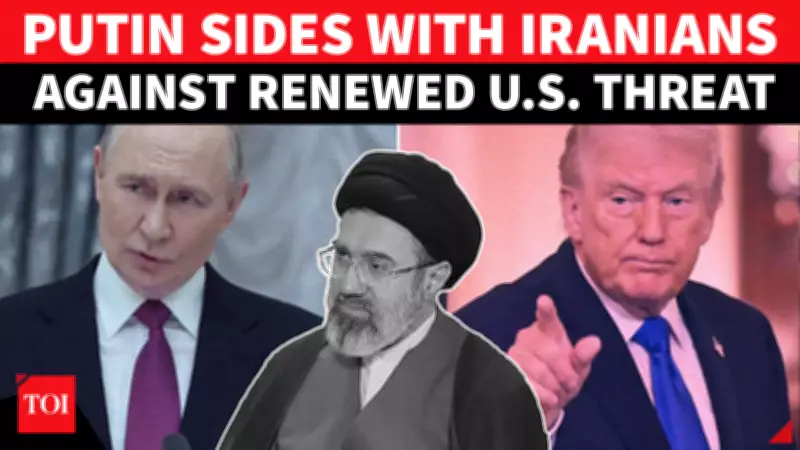
Russian Foreign Minister Sergey Lavrov has launched a sharp critique against former U.S. President Donald Trump, accusing him of employing what he termed 'false promises and threats' in dealings with Iran. This rebuke comes at a critical juncture as the United States and Iran prepare to engage in a new round of peace negotiations, with the talks set to be hosted in Pakistan.
Escalating Tensions and Diplomatic Moves
The timing of Lavrov's remarks is particularly significant, coinciding with confirmed plans for ceasefire discussions between Washington and Tehran. According to reports, Pakistan-led mediators have secured confirmation that high-level negotiators will convene in Islamabad. U.S. Vice President JD Vance and Iran's Parliament Speaker Mohammad Bagher Qalibaf are scheduled to arrive early Wednesday to lead their respective delegations in these crucial talks.
This diplomatic initiative follows a period of heightened strain in U.S.-Iran relations, primarily triggered by a recent incident in the Strait of Hormuz. The seizure of an Iranian vessel by U.S. Marines has exacerbated tensions, casting a shadow over the fragile ceasefire that has been in place. Lavrov's comments underscore Russia's concern over the volatile situation, as he emphasized the need for a diplomatic resolution to prevent further escalation.

Russia's Call for Diplomacy
In his statement, Lavrov alleged that Iran had fallen into a trap of false assurances from the United States, a situation he believes has contributed to the current deadlock. He urged both nations to pursue a peaceful path, highlighting the unpredictable nature of the conflict and the risks of military confrontation. This stance aligns with Russia's broader foreign policy objectives in the region, which often advocate for dialogue over coercion.
The backdrop to these talks includes broader geopolitical maneuvers, such as the deployment of the USS Gerald R. Ford to the Middle East, signaling U.S. military preparedness. Additionally, recent events like an Iranian ship evading an American blockade have added to the complexity, making the upcoming negotiations in Pakistan all the more pivotal.
Implications for Global Stability
The outcome of these talks could have far-reaching consequences for international security, particularly regarding nuclear non-proliferation efforts. With Lavrov's intervention, Russia positions itself as a key player in mediating the conflict, advocating for a solution that avoids war. As the world watches, the diplomatic efforts in Islamabad will test whether the U.S. and Iran can bridge their differences or if the cycle of threats and promises will continue.