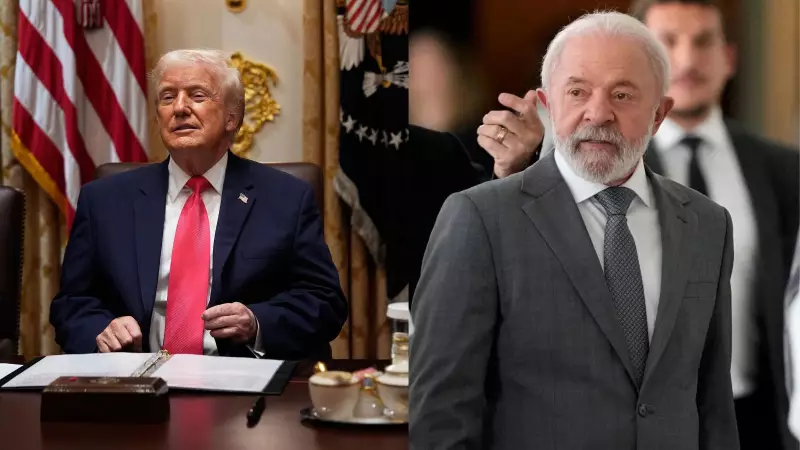
In a significant diplomatic engagement, Brazilian President Luiz Inácio Lula da Silva and former United States President Donald Trump held a telephone conversation, covering critical bilateral issues. The call, confirmed by the Brazilian government, took place on Wednesday and lasted approximately twenty minutes.
Key Topics on the Agenda: Trade and Security
The dialogue between the two leaders was substantive, focusing on two primary areas of mutual concern. According to a statement from the Brazilian presidency, the conversation was cordial and productive, highlighting the importance of the relationship between the two largest democracies in the Americas.
A central topic was international trade and the issue of tariffs. The discussion touched upon the broader global trade environment and the specific economic interactions between Brazil and the United States. This is a pivotal subject, given the history of trade tensions during Trump's previous term and the ongoing negotiations within forums like the World Trade Organization (WTO).

Equally important was the focus on combating transnational organized crime. The leaders talked about enhancing cooperation between Brazilian and American authorities to tackle this pervasive threat. This includes collaborative efforts against drug trafficking rings and criminal organizations that operate across borders, impacting security in both nations.
Context and Political Implications
This phone call carries considerable political weight. It occurred against the backdrop of the upcoming United States presidential election in November, where Donald Trump is the presumptive Republican nominee challenging incumbent President Joe Biden. For President Lula, engaging with a potential future U.S. leader is a strategic move to safeguard Brazil's interests regardless of the election's outcome.
The Brazilian government's communication emphasized that the exchange was part of Lula's routine diplomatic outreach to world leaders and influential figures. The presidency noted that Lula maintains contact with various global personalities, and this call with Trump fits within that established pattern of dialogue.
Notably, the conversation did not delve into the internal political affairs of either country. The Brazilian readout made it clear that domestic electoral processes were not a subject of discussion, keeping the talk firmly centered on bilateral and international issues of common interest.
Looking Ahead: Bilateral Relations in Focus
The discussion sets a tone for potential future engagement between Brazil and the United States. By addressing both economic and security challenges, the leaders have identified key pillars for collaboration. The talk of tariff discussions suggests an interest in ensuring trade flows remain stable and mutually beneficial, a crucial factor for Brazil's agricultural and industrial exports.
Furthermore, the commitment to work together against organized crime signals a shared recognition of a serious security threat. Enhanced intelligence sharing and law enforcement coordination could emerge from this high-level dialogue, aiming to disrupt criminal networks that fuel violence and instability.
This diplomatic interaction underscores Brazil's active role on the world stage under Lula's leadership and highlights how global powers navigate relationships during periods of political transition. The cordial nature of the call, as reported, indicates a pragmatic approach from both sides, prioritizing state-level interests and cooperative solutions to transnational problems.