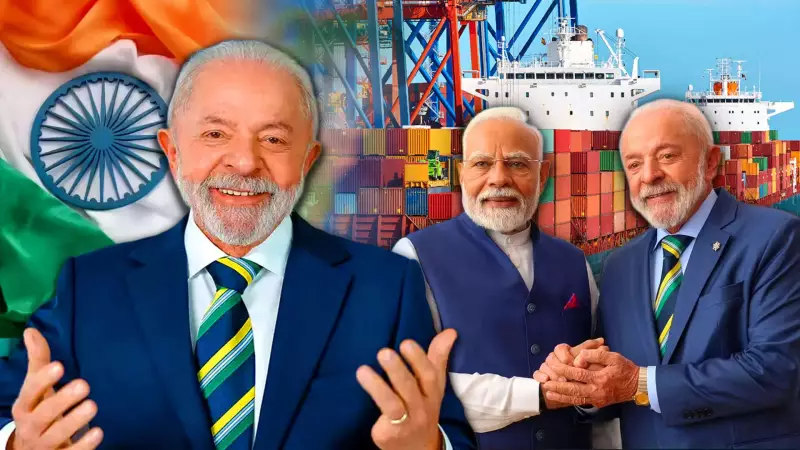
Brazilian President Luiz Inacio Lula da Silva has officially confirmed his upcoming visit to India scheduled for February, a significant diplomatic move that comes hot on the heels of Canadian Prime Minister Mark Carney's announced plans to travel to New Delhi. These consecutive high-profile visits underscore India's burgeoning influence on the world stage, as major economies increasingly look toward New Delhi for collaboration in trade, energy, and strategic partnerships.
India's Rising Diplomatic Pull in a Changing World Order
The back-to-back visits by leaders from Brazil and Canada vividly illustrate India's growing pull in global diplomacy. As nations worldwide grapple with tariff pressures and geopolitical uncertainties, they are actively rethinking their trade networks, energy security strategies, and strategic alignments. India, with its robust economy and stable political environment, is emerging as a pivotal player in this recalibration.
Lula's Announcement and Global Power Dynamics
President Lula's confirmation of his India visit followed a recent phone conversation with US President Donald Trump, highlighting how global powers are reassessing their priorities. This development points to a broader trend where countries are seeking to diversify their international partnerships beyond traditional Western alliances. India's proactive engagement with nations like Brazil demonstrates its commitment to strengthening ties across the Global South.

Modi's Vision for India-Brazil Relations
Prime Minister Narendra Modi has consistently emphasized the importance of India-Brazil relations, describing them as vital for the Global South. This partnership spans multiple critical areas including trade, defence cooperation, energy collaboration, technology exchange, and multilateral reform initiatives. The upcoming visit is expected to further solidify these multifaceted ties.
India's Strategic Positioning on the Global Stage
With India currently chairing the BRICS grouping and having recently sealed a landmark trade deal with the European Union, New Delhi is strategically positioning itself as a reliable alternative market and a crucial strategic hub. As protectionist tendencies rise in some parts of the world and traditional alliances face strain, world leaders are increasingly turning to India for several key reasons:
- Stable Economic Growth: India offers one of the world's most consistent and promising growth stories
- Diversified Supply Chains: The country provides opportunities for supply chain diversification away from geopolitical hotspots
- Rules-Based Cooperation: India advocates for and practices rules-based international cooperation
- Energy Security: As energy markets undergo transformation, India's approach offers new partnership possibilities
The convergence of visits from Brazilian and Canadian leaders in quick succession serves as a powerful testament to India's ascending role in shaping global economic and diplomatic landscapes. As nations navigate complex international challenges, India's position as a bridge between developed and developing economies, coupled with its commitment to multilateral engagement, makes it an increasingly attractive partner for countries seeking stable, diversified international relationships in an uncertain world.