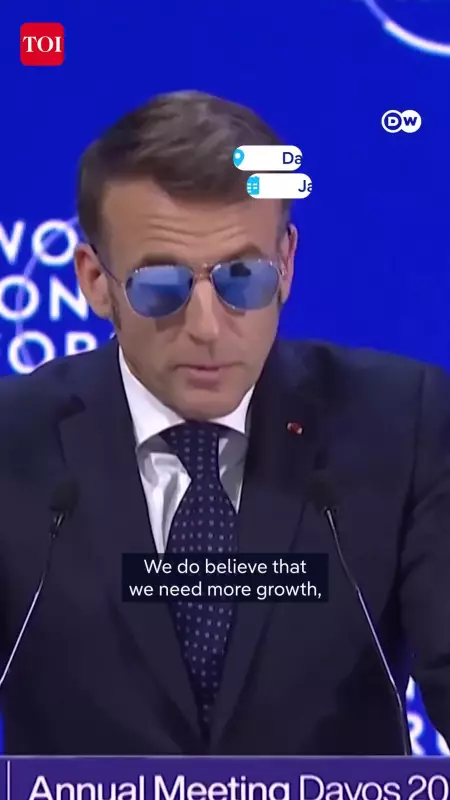
In a powerful address at the World Economic Forum in Davos, French President Emmanuel Macron delivered a stark warning against the rise of bullying tactics in international relations, urging global leaders to prioritize respect and cooperation over coercion.
A Call for Diplomatic Solutions
Speaking against the backdrop of escalating global tensions, Macron emphasized the critical need for diplomacy and multilateral approaches to resolve conflicts. He highlighted how unilateral actions and aggressive posturing have exacerbated crises worldwide, from economic instability to geopolitical standoffs.
The Dangers of Coercion in Global Affairs
Macron pointed out that coercion and intimidation tactics not only undermine trust between nations but also jeopardize collective efforts to tackle pressing issues like climate change, pandemics, and economic inequality. He stressed that such approaches create a volatile environment where dialogue becomes impossible.

The French leader argued that respect for international norms and institutions is essential for maintaining global stability. He called for renewed commitment to frameworks that promote peaceful resolution of disputes, rather than resorting to threats or force.
Multilateralism as the Path Forward
Macron advocated for strengthening multilateral organizations and partnerships to address shared challenges. He noted that no single country can solve complex global problems alone, making collaboration imperative.
- Enhanced diplomatic engagement between major powers
- Support for international treaties and agreements
- Collective action on climate and health crises
His speech resonated with many attendees who are concerned about the fragmentation of global governance and the return of great-power rivalries.
Context of Rising Global Tensions
The Davos forum this year has been dominated by discussions about geopolitical instability, with leaders from various regions expressing alarm about deteriorating international relations. Macron's message comes as multiple flashpoints threaten to escalate into broader conflicts.
- Ongoing wars and territorial disputes in several regions
- Economic protectionism and trade wars disrupting global markets
- Cybersecurity threats and technological competition creating new fronts of tension
Macron's appeal for respect and cooperation represents a significant intervention in these debates, positioning France as a vocal advocate for diplomatic solutions.
The Broader Davos Conversation
Other world leaders at Davos have echoed similar concerns about the unraveling of the established world order. German Chancellor Merz warned about the breakdown of traditional alliances, while Canadian Prime Minister Justin Trudeau emphasized collaboration in response to provocative statements about Greenland.
The collective message from European leaders suggests growing anxiety about the direction of global politics and the need for united responses to emerging threats.
Macron concluded his address by calling for a "new era of responsible leadership" where nations work together through dialogue rather than confrontation. His words serve as both a warning and an invitation to rebuild the foundations of international cooperation.