Strategic Diplomacy: PM Modi Confirms Brazil President Lula's India Visit Amid US Tariff Pressures
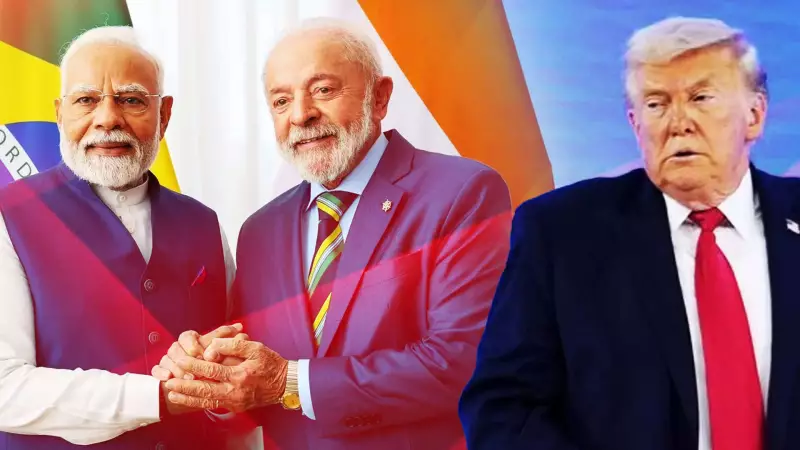
In a significant diplomatic move, Prime Minister Narendra Modi has officially confirmed that Brazil's President Luiz Inácio Lula da Silva will be visiting India soon. This announcement comes at a crucial time when both nations are navigating the challenging waters of mounting tariff pressures from the United States under the Trump administration.
A Phone Call That Set the Stage
The confirmation followed a detailed telephone conversation between Prime Minister Modi and President Lula, where the two leaders reviewed substantial progress across multiple strategic sectors. Their discussion encompassed vital areas including bilateral trade, defense cooperation, energy partnerships, technological collaborations, and agricultural exchanges.
Both leaders emphasized the urgent need for reforming multilateral institutions to better reflect contemporary global realities and the interests of emerging economies. This shared vision underscores their commitment to creating a more equitable international framework.

The BRICS Connection and Shared Challenges
India and Brazil, both founding members of the BRICS grouping, find themselves in a unique position of solidarity. They have been specifically targeted by the Trump administration's tariff policies, which has added a layer of strategic urgency to their bilateral engagement. This common economic challenge has transformed their relationship from mere diplomatic partnership to one of mutual necessity and support.
The upcoming visit gains additional significance as it represents a concerted effort by two major Global South powers to strengthen their alliance in the face of external economic pressures. This meeting is poised to send a strong message about the resilience and unity of emerging economies.
India's Growing Diplomatic Role
President Lula's participation in the AI Impact Summit during his visit, coupled with his bilateral talks with Prime Minister Modi, highlights India's expanding role as a diplomatic bridge between developing nations. New Delhi is increasingly positioning itself as a crucial connector and consensus-builder among emerging economies.
This diplomatic initiative occurs against a backdrop of ongoing uncertainty regarding the future of India-US trade negotiations. While engaging with traditional partners, India is simultaneously deepening ties with fellow Global South nations, demonstrating a sophisticated, multi-vector foreign policy approach.
Key Focus Areas for Collaboration
The India-Brazil partnership is expected to concentrate on several critical domains:
- Trade Enhancement: Developing mechanisms to boost bilateral trade while navigating global tariff challenges
- Defense Cooperation: Exploring opportunities for joint development and technology sharing in defense sectors
- Energy Security: Collaborating on renewable energy initiatives and traditional energy partnerships
- Agricultural Innovation: Sharing best practices and technologies to enhance food security
- Technology Transfer: Fostering innovation through joint research and development initiatives
This comprehensive agenda reflects the depth and breadth of the strategic partnership between two of the world's largest democracies and emerging economies.
The Global South Perspective
The Modi-Lula engagement represents more than just bilateral diplomacy; it symbolizes the growing assertiveness of Global South nations in shaping international discourse. By joining forces, India and Brazil aim to:
- Advocate for fairer global trade practices
- Push for meaningful reform in international institutions
- Create alternative frameworks for South-South cooperation
- Demonstrate that emerging economies can set their own development agendas
As the world watches this diplomatic development unfold, the India-Brazil partnership stands as a testament to the evolving dynamics of global power structures and the increasing agency of developing nations in international affairs.