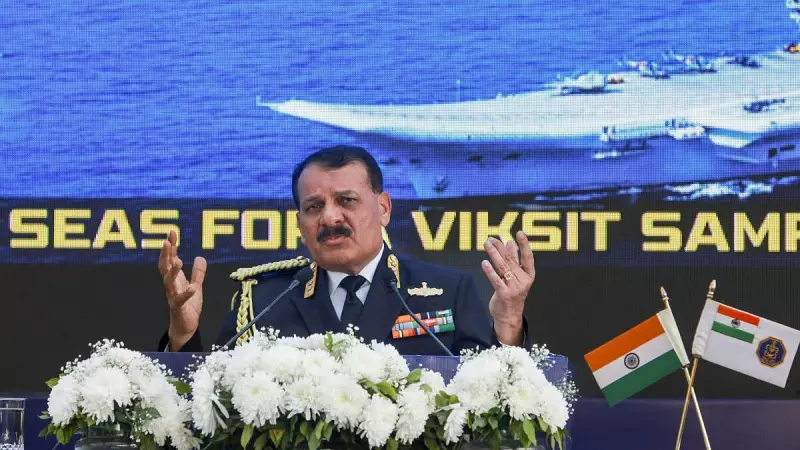
In a significant boost to India's underwater combat capabilities, the nation's third indigenous nuclear-powered ballistic missile submarine (SSBN), reportedly named INS Aridhaman, is in the final stages of its sea trials and will soon be commissioned into service. This announcement was made by the Chief of Naval Staff, marking a pivotal moment for India's strategic forces.
A Strategic Leap in Indigenous Defence
The development of INS Aridhaman represents a monumental stride in India's secretive Advanced Technology Vessel (ATV) project. This programme is dedicated to designing and building nuclear-powered submarines equipped with ballistic missiles, a cornerstone of the nation's nuclear triad capability. The successful induction of this vessel will solidify India's position among a select group of nations possessing the technological prowess to construct such complex strategic assets domestically.
The Navy Chief confirmed that the submarine is currently undergoing its final phase of rigorous trials. These tests are critical to ensuring all systems, including its nuclear reactor, propulsion, and weapon suites, operate flawlessly in diverse oceanic conditions before it is formally inducted into the naval fleet.

Timing Amid Regional Naval Developments
This enhancement of the Indian Navy's submarine fleet comes at a strategically notable time. It precedes the planned induction of the Hangor class submarines by the Pakistan Navy, which are expected to arrive in the coming months. The Hangor class is an export variant of the Chinese Yuan class conventional diesel-electric submarines.
The parallel developments underscore the ongoing modernisation and competitive dynamics of naval power in the Indian Ocean Region. The commissioning of INS Aridhaman will provide India with a potent and stealthy platform for assured second-strike capability, fundamentally altering the strategic calculus in its maritime neighbourhood.
What This Means for India's Maritime Security
The imminent arrival of INS Aridhaman carries profound implications:
- Enhanced Deterrence: It strengthens India's sea-based leg of nuclear deterrence, ensuring a credible and survivable response capability.
- Indigenous Mastery: It showcases the growing self-reliance of India's defence research and industrial ecosystem, reducing critical dependencies.
- Operational Readiness: With multiple SSBNs, the Navy can maintain continuous at-sea deterrence patrols, a key attribute of a mature nuclear power.
The news was reported on December 2, 2025, highlighting the steady progress of this critical defence project. As the final trials conclude, the nation awaits the formal commissioning ceremony, which will mark the arrival of a new guardian of India's maritime sovereignty and strategic interests.