

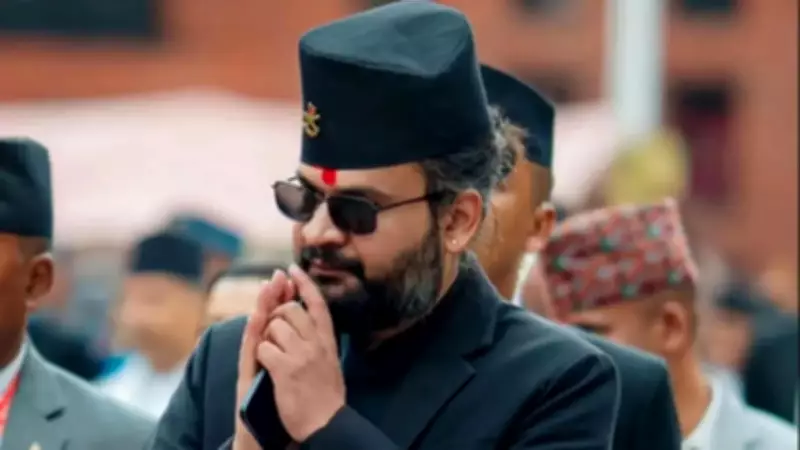
Nepal PM Balen Shah Accepts Modi's Invitation for India Visit
In a significant diplomatic development, Nepal Prime Minister Balendra "Balen" Shah has formally accepted an invitation from Indian Prime Minister Narendra Modi to visit New Delhi. This marks Shah's first major international diplomatic outreach since assuming office, with preparations now underway through the foreign ministries of both neighboring nations.
Sweeping Governance Reforms Target Political Influence
Simultaneously, the Kathmandu administration has unveiled a comprehensive 100-point governance agenda that takes direct aim at entrenched political influence across multiple sectors. The radical reform package proposes dismantling party-affiliated student organizations within educational institutions within 90 days, replacing them with non-partisan "Voice of Students" platforms.
"Schools and colleges will no longer serve as arenas for political activity but will function solely as centres of learning," declared Prime Minister Shah, emphasizing the government's commitment to depoliticizing education.

Comprehensive Bureaucratic Overhaul
The reform agenda extends beyond campuses to address systemic issues in public administration:
- Proposal to reduce federal ministries from their current number to just 17
- Implementation of a "Zero Pending File" campaign to eliminate bureaucratic delays
- Removal of political leaders' photographs from government offices
- Ban on government advertisements in private media outlets
Foreign Minister Shishir Khanal confirmed the diplomatic development, stating, "The Nepal government has accepted the invitation, and the foreign ministries of both countries are now making preparations for the visit." The last official visit by a Nepali Prime Minister to India occurred in June 2023 when Pushpa Kamal Dahal "Prachanda" traveled to New Delhi.
Targeting VIP Culture and Privilege
A central component of Shah's reform package directly confronts preferential treatment in public life, including:
- Elimination of roadblocks and privileges surrounding VIP convoys
- Mandating that ministers and government employees send their children to government schools
- Renaming universities carrying foreign or colonial designations
- Providing employment opportunities to families of students killed during the 2025 protests
Public Service Accessibility and Youth Expectations
The ambitious agenda also prioritizes enhanced public service delivery through free healthcare access for economically disadvantaged citizens, safer public transportation systems for women, and stress-free educational environments for younger children.
Generation Z activists who spearheaded the September 2025 protests are closely monitoring the government's implementation progress. Majid Ansari, a 25-year-old final-year law student, articulated widespread expectations: "Laws should be made delivery-oriented and state authorities should be restructured from the ordinary people's point of view. Overall reform is about easing governance and making public services accessible."
The dual announcements—combining diplomatic engagement with India and domestic institutional transformation—signal a potentially transformative period in Nepal's governance landscape as the Shah administration attempts to deliver on its sweeping reform promises while navigating regional diplomatic relationships.






