Pakistan Hosts Key Quadrilateral Summit to Address West Asia Conflict
In a significant diplomatic move, Pakistan convened a high-level quadrilateral summit on Sunday, bringing together the foreign ministers of Saudi Arabia, Egypt, and Turkey. The meeting focused on the escalating tensions in West Asia and explored pathways to negotiate a sustainable peace in the volatile region.
Prime Minister Shehbaz Sharif Commends Saudi Arabia's Diplomatic Approach
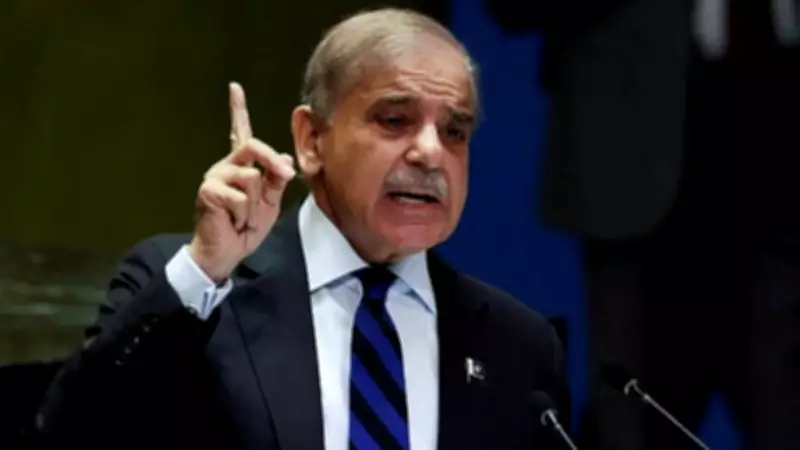
During the summit, Pakistani Prime Minister Shehbaz Sharif publicly expressed his appreciation for Saudi Arabia's conduct in the ongoing regional crisis. He specifically highlighted what he termed as 'remarkable restraint' demonstrated by the Kingdom amidst the heightened geopolitical friction in West Asia. This acknowledgment underscores Pakistan's view of Saudi Arabia as a stabilizing force in the conflict-ridden area.
Quadrilateral Dialogue Aims to Forge Consensus on Peace Efforts
The gathering of foreign ministers from these four influential Muslim-majority nations—Pakistan, Saudi Arabia, Egypt, and Turkey—represents a concerted effort to align strategies and present a unified front in peace negotiations. Discussions delved into the root causes of the West Asia tensions, with participants exchanging views on humanitarian concerns, security implications, and diplomatic initiatives to prevent further escalation.

Analysts suggest that this quadrilateral format is strategically significant, as it combines regional powers with varying geopolitical alignments, potentially enhancing the credibility and impact of any proposed peace framework. The summit's outcomes are expected to influence broader international efforts to mediate the conflict.
Context of Regional Tensions and Pakistan's Mediating Role
The West Asia region has been grappling with prolonged instability, marked by sporadic conflicts and diplomatic standoffs involving multiple state and non-state actors. Pakistan, while maintaining its own strategic interests, has increasingly positioned itself as a mediator, leveraging its historical ties with both Arab nations and other key players in the region.
Prime Minister Sharif's praise for Saudi restraint is seen as a diplomatic gesture aimed at reinforcing bilateral relations and encouraging continued calm from Riyadh. It also reflects Pakistan's broader foreign policy objective of promoting dialogue over confrontation in international disputes.
As the quadrilateral summit concluded, participants issued a joint statement emphasizing the urgent need for de-escalation and a return to negotiation tables. The foreign ministers agreed to maintain close coordination and explore follow-up meetings to monitor progress on peace initiatives.