Pakistan, long the proponent of self-determination for Kashmiris, now finds itself on the defensive as it faces the very questions it once directed at India. The shift in regional dynamics has been accelerated by Pakistan's internal instability, economic woes, and its changing relationship with militant groups operating in the region.
Historical Context of the Kashmir Dispute
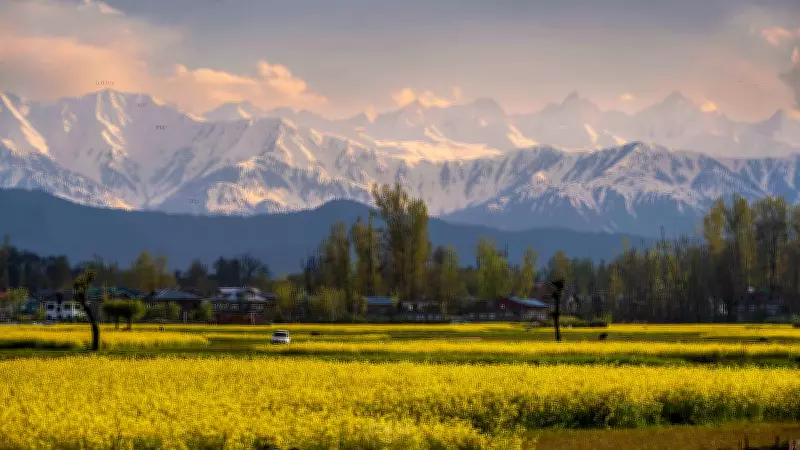
Since the partition of India in 1947, Kashmir has remained a flashpoint between the two nuclear-armed neighbors. India has consistently maintained that the region is an integral part of its territory, while Pakistan has championed the cause of Kashmiri self-determination, often raising the issue at international forums. However, recent developments have seen a reversal of roles, with India now questioning Pakistan's commitment to a peaceful resolution.
According to analysts, Pakistan's support for cross-border militancy has eroded its moral standing on the issue. The country's failure to curb terrorist activities within its borders has led to increased scrutiny from the international community, including its traditional allies.

Internal Challenges Facing Pakistan
Pakistan is currently grappling with a severe economic crisis, political instability, and a surge in domestic terrorism. The country's foreign reserves have dwindled, and it faces the risk of default. This internal turmoil has weakened its capacity to project influence over Kashmir.
Furthermore, the rise of militant groups operating with impunity in Pakistan has alarmed global powers. The United Nations and the Financial Action Task Force (FATF) have repeatedly called on Pakistan to take decisive action against these groups, which often target Indian-administered Kashmir.
India's Stance and Regional Developments
India, under the leadership of Prime Minister Narendra Modi, has adopted a more assertive posture on Kashmir. The abrogation of Article 370 in August 2019, which revoked the special status of Jammu and Kashmir, was met with widespread criticism from Pakistan and the international community. However, India has defended the move as necessary for integration and development.
In recent months, India has also highlighted Pakistan's human rights abuses in Gilgit-Baltistan and the treatment of minority communities in Pakistan-administered Kashmir. This has turned the tables on Pakistan, which now faces allegations of suppressing the rights of Kashmiris under its control.
International Perception and Diplomatic Isolation
Pakistan's diplomatic isolation has deepened as countries like China have maintained a neutral stance on the Kashmir issue, while the United States and European Union have urged restraint from both sides. The Quad grouping, comprising the US, Japan, Australia, and India, has also sidelined Pakistan's narrative.
According to a report by the International Crisis Group, Pakistan's strategy of using militant proxies has backfired, leading to a loss of credibility. The report states, "Pakistan's approach to Kashmir has become increasingly untenable as the world focuses on counterterrorism efforts."
The Way Forward
Analysts suggest that Pakistan must reassess its policies and engage in meaningful dialogue with India to resolve the Kashmir dispute. The normalization of relations could pave the way for economic cooperation and regional stability. However, given the current political climate, a breakthrough seems unlikely in the near future.
As Pakistan faces its own set of challenges, the questions it once asked India about self-determination and human rights in Kashmir have now turned inward. The region's future remains uncertain, but the shift in narrative underscores the changing power dynamics in South Asia.