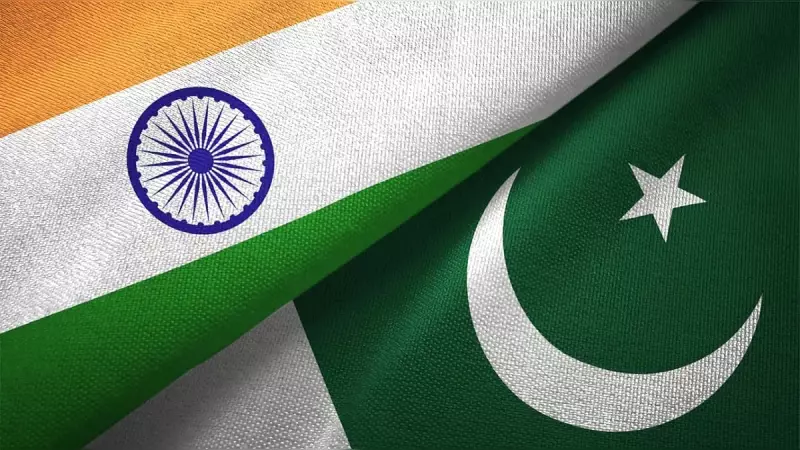
Pakistan has levelled a serious allegation against India, claiming that its humanitarian relief operations for cyclone-ravaged Sri Lanka were deliberately obstructed. The charge centres on what Islamabad describes as a deliberate "lack of cooperation" from New Delhi, adding a new layer of tension to the complex bilateral relationship.
The Core Allegation: Hampered Relief Efforts
In an official statement, Pakistani authorities asserted that their efforts to provide critical aid to Sri Lanka in the aftermath of a devastating cyclone were significantly "hampered by lack of cooperation" from India. While the statement did not elaborate on the specific nature of the obstacles, the implication points towards logistical and diplomatic hurdles created by India. The incident underscores how geopolitical rivalries can potentially impact time-sensitive humanitarian missions in the South Asian region.
Denial of "Fake" Overflight Reports
Simultaneously, the Pakistani Foreign Ministry addressed and firmly denied circulating media reports within Pakistan. These reports had suggested that India refused to grant overflight clearance for Pakistani aircraft carrying relief supplies destined for Sri Lanka. Pakistani officials labelled these specific reports as "fake", clarifying that the overflight facility was not the primary issue at hand. This denial aims to separate fact from speculation, while keeping the focus on the broader accusation of non-cooperation.

Context and Regional Dynamics
The allegation comes against the backdrop of long-standing diplomatic friction between India and Pakistan. Humanitarian assistance is often viewed through a strategic lens in the region, with both nations vying for influence and goodwill among neighbouring countries like Sri Lanka. India, with its geographical proximity and "Neighbourhood First" policy, typically plays a leading role in disaster response within the Indian Ocean region. Pakistan's claim suggests a competitive dimension to the cyclone relief efforts, where access and coordination became points of contention.
The date of the statement, December 2, 2025, marks when these claims entered the public domain, as reported by the news agency PTI. The cyclone itself, which caused substantial damage in Sri Lanka, prompted international aid appeals, making efficient coordination a critical need.
Potential Consequences and Reactions
This public accusation is likely to draw a response from Indian authorities. If India chooses to rebut the claims, it could lead to a diplomatic exchange that puts the spotlight on the mechanics of international disaster response. For Sri Lanka, caught between two influential neighbours, the situation is delicate. The island nation's primary need is swift and unhindered aid, making any politicisation of relief channels a concerning development. The incident raises important questions about the need for neutral and unimpeded humanitarian corridors during natural disasters, irrespective of bilateral political disputes.
Ultimately, Pakistan's statement highlights the intricate and often fraught interplay between diplomacy and disaster management in South Asia. While the immediate need is to support Sri Lanka's recovery, the underlying tensions between India and Pakistan have once again surfaced, potentially complicating collaborative regional efforts in times of crisis.