

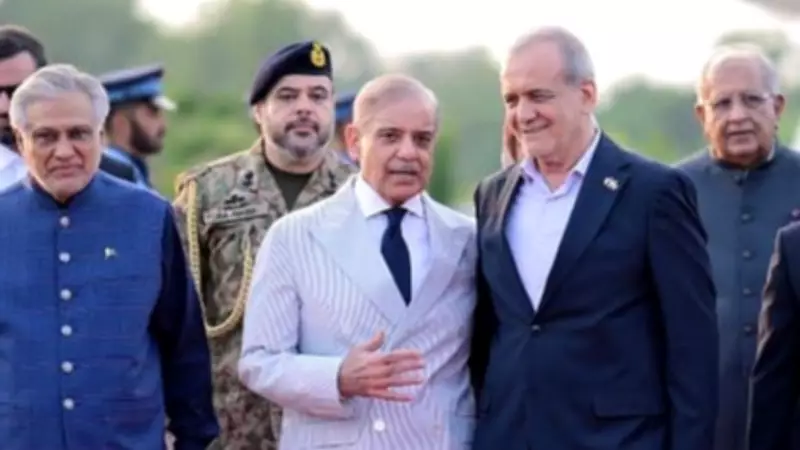
Pakistan and Iran Engage in High-Level Diplomatic Dialogue Amid Regional Unrest
In a significant development reflecting the growing concerns over Middle Eastern stability, Pakistan Prime Minister Shehbaz Sharif and Iranian President Ebrahim Raisi engaged in a crucial telephone conversation. This high-level diplomatic exchange comes at a time when regional tensions, particularly surrounding the ongoing Israel-Hamas conflict, have reached a critical juncture, prompting international leaders to seek collaborative solutions.
Focus on De-escalation and Humanitarian Concerns
The leaders discussed the urgent need for de-escalation in the region, with a strong emphasis on preventing further violence and addressing the humanitarian crisis unfolding in Gaza. Prime Minister Sharif reiterated Pakistan's steadfast support for the Palestinian cause, advocating for a just and lasting resolution that upholds the rights of the Palestinian people. President Raisi echoed these sentiments, highlighting Iran's commitment to regional peace and stability through diplomatic channels.
Both nations expressed deep concern over the escalating conflict and its potential to destabilize the broader Middle East. The conversation underscored the importance of international cooperation in mediating the crisis, with calls for the United Nations and other global bodies to play a more active role in facilitating dialogue between the involved parties.

Broader Implications for Regional Security
Beyond the immediate Israel-Hamas situation, the discussion also touched upon broader regional security challenges, including the threat of terrorism and the need for enhanced bilateral cooperation between Pakistan and Iran. The leaders explored avenues for strengthening economic and cultural ties, recognizing that a multifaceted approach is essential for long-term peace in the region.
This dialogue marks a pivotal moment in Pakistan-Iran relations, showcasing a shared commitment to navigating complex geopolitical landscapes through diplomacy rather than confrontation. It also reflects the growing urgency among regional powers to address conflicts that have far-reaching implications for global security and stability.
Context of US Policy Considerations
The timing of this conversation is particularly noteworthy as the United States weighs its policy options regarding Iran, including potential sanctions and diplomatic maneuvers. The Pakistan-Iran dialogue may influence these deliberations, signaling regional actors' proactive stance in managing tensions independently of external powers.
Key points from the discussion include:
- A mutual call for an immediate ceasefire in Gaza to alleviate humanitarian suffering.
- Support for a two-state solution as a framework for resolving the Israeli-Palestinian conflict.
- Commitment to enhancing bilateral trade and security cooperation between Pakistan and Iran.
- Emphasis on the role of regional organizations, such as the Organization of Islamic Cooperation, in conflict resolution.
As regional dynamics continue to evolve, this diplomatic engagement between Pakistan and Iran highlights the critical role of dialogue in mitigating tensions and fostering a more stable Middle East. The outcomes of such high-level talks could set a precedent for future collaborations aimed at addressing not only immediate crises but also underlying issues that fuel regional instability.






