

Pakistan Proposes 'Islamabad Accord' to End Iran-US War, Reopen Strait of Hormuz
In a significant diplomatic move, Pakistan has presented a comprehensive peace proposal to Iran and the United States aimed at ending the ongoing conflict. The framework, informally dubbed the "Islamabad Accord," outlines a two-stage process that could begin as early as Monday, with the immediate reopening of the strategically vital Strait of Hormuz.
Two-Stage Peace Framework
The proposal calls for an immediate cessation of hostilities, which would allow for the swift reopening of the Strait of Hormuz—a critical chokepoint for global oil shipments. Following this ceasefire, a 15–20 day window is proposed to negotiate a broader, final agreement. This comprehensive settlement is expected to address key issues, including nuclear curbs and sanctions relief.
According to sources cited by Reuters, the initial understanding would be structured as a memorandum of understanding, finalized electronically through Pakistan, which serves as the sole communication channel in these talks. "All elements need to be agreed today," a source emphasized, highlighting the urgency of the situation.

Details of the Proposed Accord
Under the plan, any final deal could involve Iran agreeing not to pursue nuclear weapons in exchange for sanctions relief and the unfreezing of its assets. The "Islamabad Accord" also envisions establishing a regional mechanism to manage the Strait of Hormuz, with final in-person negotiations slated to take place in Islamabad.
However, challenges remain. "Iran has not responded yet," Reuters quoted a source, noting that previous ceasefire proposals backed by Pakistan, China, and the United States have failed to secure commitments from Tehran. Iranian officials have previously stated that Tehran seeks a permanent ceasefire, backed by assurances against future attacks from the US and Israel, with messages conveyed through mediators like Pakistan, Turkey, and Egypt.
Diplomatic Push Amid Rising Tensions
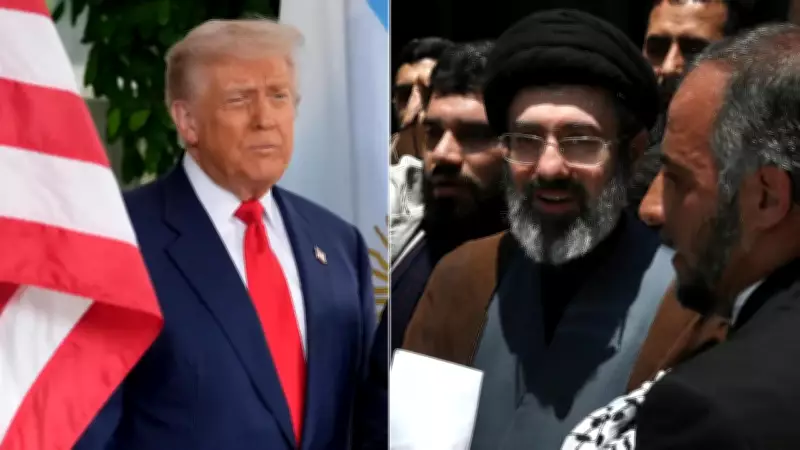
This diplomatic initiative comes just a day before a fresh deadline set by former US President Donald Trump, who warned Iran to open the Strait of Hormuz by Tuesday or face severe consequences, stating, "you’ll be living in Hell." Iran has dismissed this threat, reiterating its refusal to open the strait under pressure.
The proposal represents a critical effort to de-escalate tensions and foster dialogue between the two nations, with Pakistan playing a pivotal mediating role. As global attention focuses on this development, the outcome could significantly impact regional stability and international relations.






