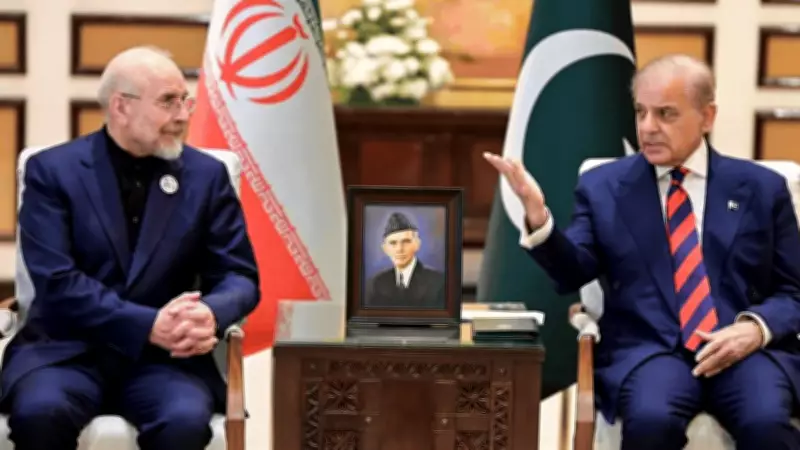
Pakistan has been quick to claim credit for the recent Iran nuclear deal, but experts are divided on how much influence Islamabad truly exerted. The agreement, which aims to curb Iran's nuclear program in exchange for sanctions relief, was the result of months of negotiations involving world powers.
Pakistan's Diplomatic Efforts
Pakistan's foreign office highlighted its role in facilitating communication between Iran and the United States, emphasizing its unique position as a country with ties to both nations. However, analysts note that Pakistan's involvement was limited to behind-the-scenes diplomacy and did not directly shape the core terms of the deal.
International Reactions
The United States and European Union have acknowledged Pakistan's supportive role but stopped short of attributing the deal's success to Islamabad. The agreement was primarily driven by the US, Iran, and other P5+1 members, with Pakistan acting as a facilitator in certain aspects.

Critics argue that Pakistan's claims are overstated, pointing out that the country's influence in the region has waned in recent years. The deal's success is more likely due to the concerted efforts of major powers rather than any single nation's intervention.
Strategic Implications
For Pakistan, the deal offers potential economic benefits, including improved trade ties with Iran and reduced regional tensions. However, the country's ability to leverage this success for broader geopolitical gains remains uncertain.
In conclusion, while Pakistan played a role in facilitating the Iran deal, its actual credit is limited. The agreement's success is a testament to multilateral diplomacy, with Pakistan as a supporting actor rather than a lead negotiator.