In a gesture underscoring the enduring friendship between the two neighboring nations, Prime Minister Narendra Modi has formally expressed his appreciation to Bhutan's Prime Minister Tshering Tobgay for extending heartfelt Republic Day greetings. This exchange of pleasantries comes at a time when both countries are actively collaborating on multiple fronts, reinforcing their strategic partnership in the region.
Strengthening Bilateral Bonds Through Diplomatic Courtesy
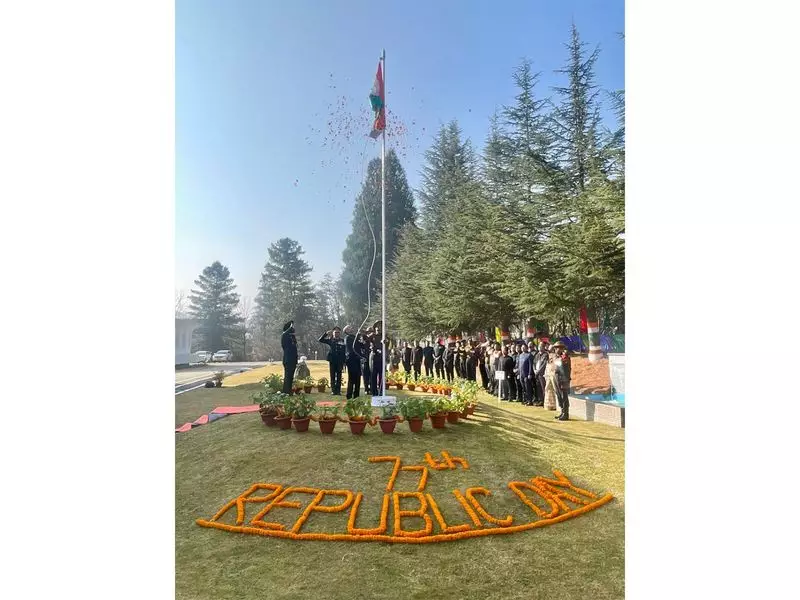
The acknowledgment from Prime Minister Modi serves as a testament to the deep-rooted camaraderie that exists between India and Bhutan. Republic Day, celebrated annually on January 26th, marks the adoption of the Indian Constitution and is a moment of national pride. Receiving greetings from foreign leaders, especially from close allies like Bhutan, adds a layer of diplomatic significance to the occasion.
Prime Minister Tshering Tobgay's message was not merely a routine diplomatic formality but a reflection of the mutual respect and shared values that bind the two nations. In his response, PM Modi emphasized the importance of such gestures in nurturing the bilateral relationship, which has historically been characterized by trust and cooperation.

Historical Context of India-Bhutan Relations
The relationship between India and Bhutan is one of the most stable and cordial in South Asia, dating back to the early 20th century. Over the decades, this partnership has evolved to encompass various domains including economic collaboration, security cooperation, and cultural exchanges. India has been a key development partner for Bhutan, assisting in infrastructure projects, healthcare, and education initiatives.
This recent exchange of Republic Day greetings is a continuation of the long-standing tradition of diplomatic engagement between the two countries. It highlights how such interactions, though seemingly small, play a crucial role in maintaining and enhancing bilateral ties. Both leaders have previously engaged in high-level meetings and discussions aimed at addressing regional challenges and fostering mutual growth.
Implications for Regional Diplomacy
The public acknowledgment of the greetings by PM Modi also sends a positive signal to the international community about the strength of India-Bhutan relations. In a region often marked by geopolitical tensions, such displays of solidarity are vital for promoting peace and stability. The gesture reinforces the notion that India values its neighbors and is committed to working closely with them on shared objectives.
Moreover, this interaction comes amidst ongoing efforts to bolster connectivity and trade between the two nations. Projects like the hydropower cooperation and cross-border infrastructure developments are testament to the practical dimensions of their partnership. The Republic Day greetings, therefore, are not just symbolic but are intertwined with the broader framework of collaborative endeavors.
Future Prospects and Collaborative Efforts
Looking ahead, such diplomatic exchanges are likely to pave the way for more substantive collaborations. Both India and Bhutan have expressed interest in deepening their economic and cultural ties, with a focus on sustainable development and regional security. The mutual respect demonstrated through these greetings sets a positive tone for future engagements, potentially leading to joint initiatives in areas such as climate change, digital innovation, and people-to-people contacts.
In conclusion, Prime Minister Modi's thanks to Bhutan's Prime Minister for the Republic Day wishes is more than a courteous reply; it is a reaffirmation of the strong and multifaceted relationship between India and Bhutan. As both nations continue to navigate the complexities of regional dynamics, such gestures of goodwill remain essential in fostering a cooperative and prosperous future for their peoples.