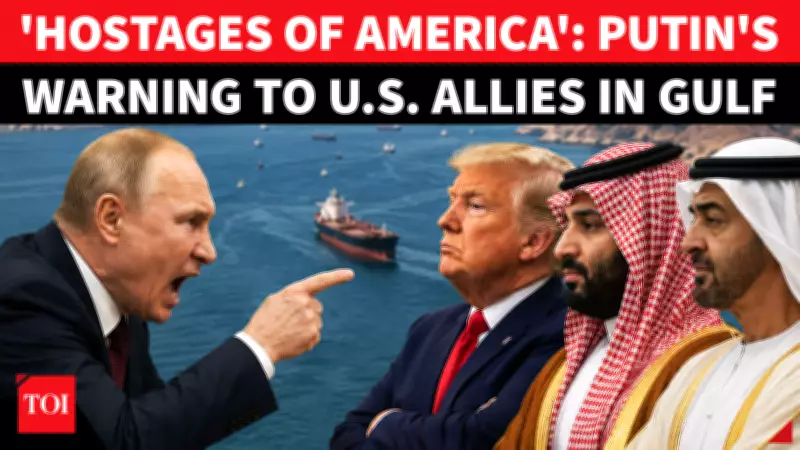
Russia has sharply criticized the United States and its Gulf allies over a U.S.-led draft resolution concerning the Strait of Hormuz presented at the United Nations. The Russian ambassador, Vassily Nebenzia, denounced the American-proposed measure as 'one-sided' and accused Washington of overlooking the underlying causes of growing instability in the Gulf region.
Russian Ambassador's Remarks
During the UN session, Nebenzia warned that Gulf nations are becoming 'hostages of American policy in the Middle East' and claimed that the United States is steering the region toward a dangerous confrontation. He defended Iran's position while criticizing Western powers on issues related to freedom of navigation and maritime security.
Context of the Draft Resolution
The U.S.-led draft resolution focuses on ensuring security in the Strait of Hormuz, a critical waterway for global oil shipments. Tensions have escalated recently due to confrontations between Iranian forces and U.S.-backed naval operations. Russia argues that the resolution fails to address legitimate security concerns of all regional states.

Nebenzia emphasized that the draft is unbalanced and ignores the broader geopolitical dynamics, including the impact of U.S. sanctions on Iran and the militarization of the region. He called for a more inclusive approach that considers the interests of all parties involved.
Reactions and Implications
The Russian stance reflects deepening divisions between Moscow and Washington over Middle East policy. Analysts suggest that the veto-wielding permanent UN Security Council member Russia may block or amend the resolution. Meanwhile, Gulf states have expressed support for the U.S. initiative, citing concerns over Iranian threats to maritime traffic.
The standoff highlights the ongoing struggle for influence in the region, with Russia positioning itself as a counterweight to U.S. hegemony. The outcome of the UN vote could have significant implications for global oil markets and regional security.