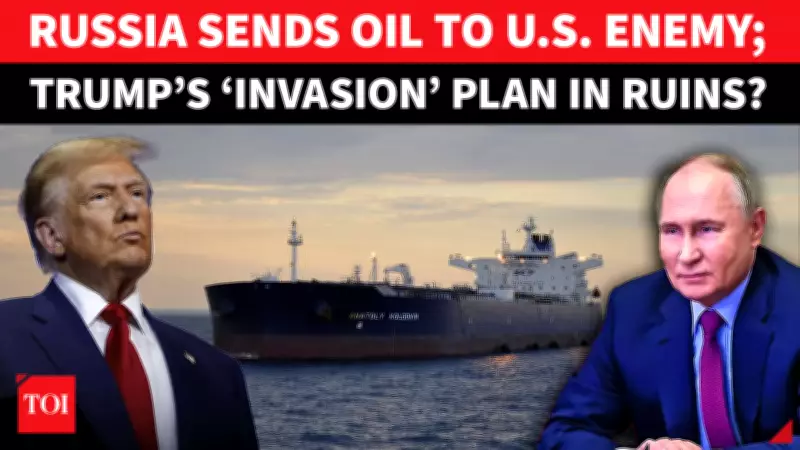
Russian Oil Tanker Reaches Cuba Amid Deepening Energy Crisis
A Russian oil tanker has successfully navigated into Cuban waters, delivering a substantial shipment of 100,000 tonnes of crude oil. Moscow has officially labeled this delivery as a humanitarian effort, aimed at providing critical relief to Cuba, which is currently grappling with a severe energy crisis. This development arrives at a pivotal moment, as Cuba faces widespread blackouts and significant strain on its healthcare infrastructure due to fuel shortages.
U.S. Response: A Nuanced Stance on Sanctions
In a notable shift, U.S. President Donald Trump has indicated no direct objection to the Russian oil delivery to Cuba. However, American officials have been quick to clarify that the overarching sanctions policy against Cuba remains firmly in place. They emphasize that decisions regarding such shipments are evaluated on a case-by-case basis, reflecting a delicate balance between enforcing economic restrictions and addressing humanitarian concerns.
This nuanced approach underscores the complex geopolitical landscape, where the United States must weigh its strategic interests against immediate human needs in regions under sanctions.

Cuba's Dire Situation: Economic Collapse and Fuel Shortages
Cuba is in the throes of a profound economic collapse, exacerbated by acute fuel shortages that have crippled daily life. The arrival of the Russian oil tanker offers a temporary reprieve, potentially alleviating some of the blackouts and supporting essential services. Yet, this relief is fleeting, highlighting the island nation's vulnerability and its dependence on external aid amidst ongoing international pressures.
The energy crisis has not only disrupted electricity supply but has also placed immense pressure on healthcare systems, risking public health outcomes in an already strained environment.
Geopolitical Implications: Tensions Over Sanctions and Energy Access
The delivery of Russian oil to Cuba amplifies growing geopolitical tensions centered on sanctions and global energy access. This event serves as a stark reminder of the fragile equilibrium between humanitarian imperatives and the power politics of major nations. As Russia extends its influence through such shipments, it challenges the efficacy of U.S.-led sanctions regimes, prompting questions about their long-term sustainability and impact.
This incident may signal a broader trend where countries leverage energy resources as tools of diplomacy, potentially reshaping alliances and conflicts in the international arena.
Looking Ahead: The Fragile Balance of Global Politics
The arrival of the Russian oil tanker in Cuba is more than a mere logistical achievement; it is a symbolic gesture that underscores the intricate interplay between economic sanctions, humanitarian aid, and geopolitical strategy. While providing immediate relief, it also exposes the underlying vulnerabilities of nations caught in the crossfire of global power dynamics.
As Cuba continues to navigate its economic challenges, the world watches closely, recognizing that such events could set precedents for how humanitarian crises are addressed in the context of international sanctions and energy politics.