US Scholar Alleges Potential War Crimes in Iran Conflict
A prominent American political scientist has made a startling assertion regarding the ongoing tensions with Iran, suggesting that former US President Donald Trump and Israeli Prime Minister Benjamin Netanyahu could face severe legal consequences under historical precedent.
Bombshell Claim from Academic Expert
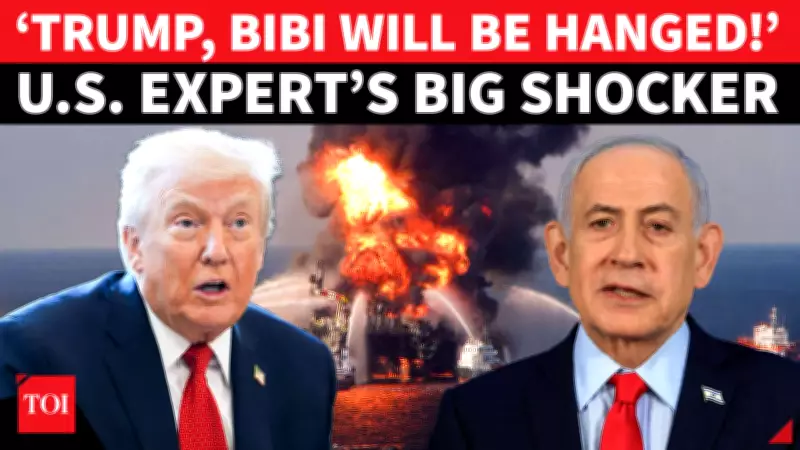
According to reports from Iranian media outlets, University of Chicago professor John Mearsheimer has stated that military actions against Iran constitute acts of aggression. He further claimed that if Nuremberg-style trials were conducted today, both Trump and Netanyahu would potentially be subject to execution by hanging for their roles in the conflict.
The Nuremberg trials, held after World War II, established important precedents for prosecuting war crimes and crimes against peace. Mearsheimer's comments draw direct parallels between those historical proceedings and current international conflicts.

Context of Escalating Tensions
This controversial statement emerges amid heightened geopolitical friction. Trump recently announced that US military forces would withdraw from Iranian territory within two to three weeks, though Iranian officials have dismissed this timeline as inaccurate.
The region has witnessed multiple flashpoints including:
- Houthi strikes against southern Israel
- Iranian demonstrations of military capabilities including commandos and missile systems
- International diplomatic warnings about escalating conflict
- Economic impacts including reported destruction of expensive military surveillance aircraft
Broader Implications for International Law
Mearsheimer's comments raise significant questions about accountability in modern warfare. While hypothetical, his reference to Nuremberg standards highlights ongoing debates about how international law applies to contemporary conflicts and political leaders.
The academic's perspective adds to a growing chorus of voices examining the legal and ethical dimensions of military engagements in the Middle East, particularly as multiple non-state actors become involved in regional tensions.
As diplomatic efforts continue and military postures evolve, discussions about historical precedents for war crimes prosecution remain relevant to understanding potential future accountability mechanisms in international relations.