Su-30 Fleet Suffers First Crash of 2026, Marking 13th Aircraft Loss
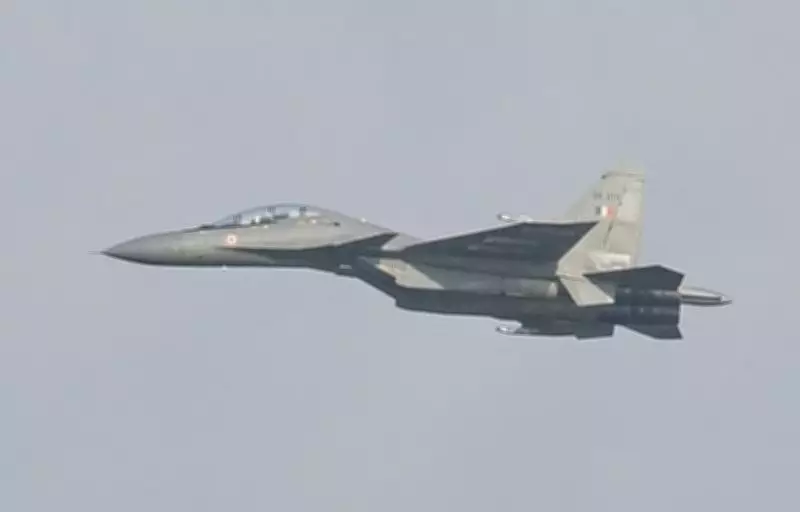
The Indian Air Force (IAF) has reported the first crash involving a Su-30 MKI fighter jet in 2026, a development that underscores ongoing challenges with the fleet's operational safety. This incident adds to a troubling attrition record, bringing the total number of Su-30 aircraft lost since their induction into service to 13. Tragically, these crashes have also resulted in the loss of 5 pilots, highlighting significant risks associated with the platform.
Details of the Recent Incident and Historical Context
While specific details of the 2026 crash remain under investigation by the IAF, it follows a pattern of incidents that have plagued the Su-30 fleet over the years. The Su-30 MKI, a twin-engine multirole fighter, was inducted into the IAF starting in the late 1990s and has been a cornerstone of India's air defence capabilities. However, its service history has been marred by multiple accidents, raising questions about maintenance protocols, pilot training, and potential technical issues.
The cumulative loss of 13 aircraft represents a substantial attrition rate for a fleet that numbers over 260 units. Each crash not only entails a financial cost—estimated in the tens of millions of dollars per aircraft—but also operational setbacks, as the IAF works to maintain readiness amid these losses. The loss of 5 pilots further compounds the tragedy, impacting morale and expertise within the force.

Operational Implications and Safety Concerns
This attrition trend has prompted the IAF to conduct thorough reviews of its Su-30 operations. Key areas under scrutiny include:
- Maintenance and Overhaul Procedures: Ensuring that aging aircraft receive timely upgrades and repairs to prevent mechanical failures.
- Pilot Training and Simulation: Enhancing training programs to better prepare pilots for emergency scenarios and complex maneuvers.
- Technical Audits: Investigating any design or manufacturing flaws that could contribute to accidents, possibly in collaboration with the original Russian manufacturers.
Despite these challenges, the Su-30 remains a critical asset for the IAF, known for its long-range strike capabilities and versatility in various combat roles. The fleet has been involved in numerous exercises and operations, demonstrating its strategic importance. However, the high attrition rate necessitates urgent measures to improve safety and reliability.
Broader Impact on Defence Preparedness
The repeated crashes have broader implications for India's defence preparedness. With regional tensions and security threats evolving, maintaining a robust and accident-free fighter fleet is paramount. The IAF is likely to accelerate efforts to integrate newer aircraft, such as the Rafale and indigenous Tejas, to diversify its inventory and reduce dependency on any single platform.
Moreover, this attrition issue may influence future procurement decisions and fleet management strategies. Stakeholders are calling for transparent investigations into each crash to identify root causes and implement corrective actions. Ensuring pilot safety and preserving combat strength are top priorities as the IAF navigates these operational hurdles.
In summary, the first Su-30 crash of 2026 serves as a stark reminder of the ongoing attrition challenges facing the IAF. With 13 aircraft and 5 pilots lost since induction, there is a pressing need for enhanced safety protocols and sustained maintenance efforts to safeguard this vital component of India's air defence.