

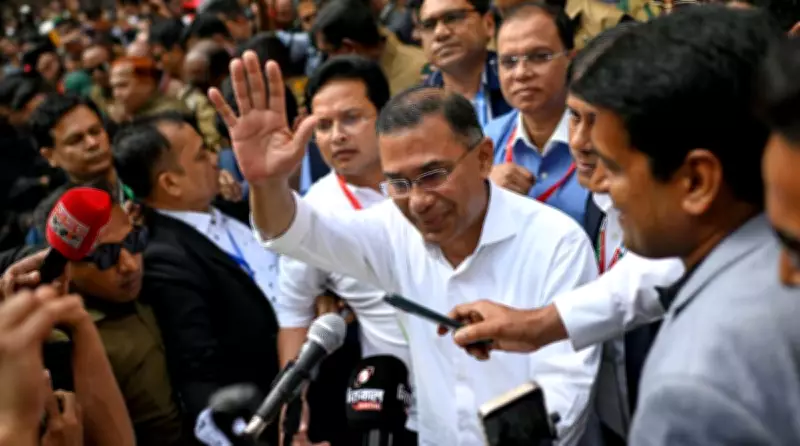
Tarique Rahman Stresses People-First Approach in India-Bangladesh Relations
In a recent statement, Tarique Rahman, the acting chairman of the Bangladesh Nationalist Party (BNP), has underscored that the welfare of Bangladesh's people takes precedence in the nation's diplomatic engagements with India. This concise yet impactful remark comes amid ongoing discussions about the future trajectory of bilateral ties between the two neighboring countries.
Focus on Domestic Priorities
Rahman's one-line reply, which has garnered significant attention, reflects a broader emphasis on domestic concerns within Bangladesh. By stating that "Bangladesh's people come first," he signals a potential shift in how the BNP views foreign policy, prioritizing national interests and the well-being of citizens over external alliances. This stance may resonate with voters and stakeholders who are increasingly focused on economic and social issues at home.
Context of India-Bangladesh Ties
The relationship between India and Bangladesh has been multifaceted, encompassing areas such as trade, security, and cultural exchanges. However, it has also faced challenges, including border disputes and water-sharing agreements. Rahman's comment could be interpreted as a call for a more balanced approach that safeguards Bangladesh's sovereignty and addresses the needs of its population, rather than merely aligning with regional powers.

Political Implications
As a key opposition figure, Rahman's statement may influence political discourse in Bangladesh, particularly ahead of potential elections or policy debates. It highlights the BNP's potential strategy to differentiate itself from the ruling party by advocating for a people-centric foreign policy. This could appeal to segments of the electorate concerned about national autonomy and grassroots development.
Broader Regional Dynamics
This development occurs within a complex regional landscape, where South Asian nations often navigate delicate diplomatic balances. Rahman's emphasis on prioritizing Bangladeshis might encourage other leaders in the region to reevaluate their foreign policies, focusing more on domestic welfare amidst global engagements. It underscores the growing importance of public opinion in shaping international relations.
Overall, Tarique Rahman's brief but pointed response sheds light on the evolving dynamics of India-Bangladesh relations, with a clear message that the interests of Bangladesh's people must remain at the forefront of any diplomatic considerations.






