

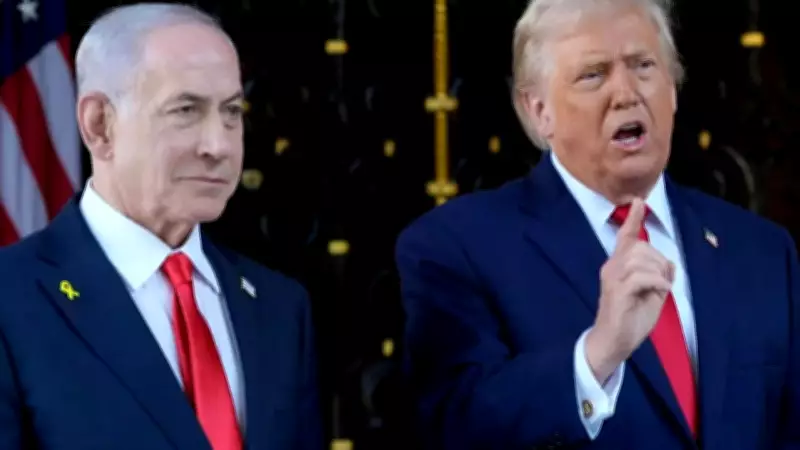
Trump Denies Reports of Rift with Netanyahu, Labels Them 'Fake News'
US President Donald Trump has firmly denied reports suggesting a rift with Israeli Prime Minister Benjamin Netanyahu, dismissing them as 'fake news'. Speaking to reporters aboard Air Force One on Sunday, Trump addressed the speculation directly, stating, "That was other fake news — I had an argument with Bibi. No. We really get along well. And he would tell you we're leading the whole thing. They can say it or not say it. It doesn't matter to me. My relationship with Bibi Netanyahu is extraordinary."
Emphasis on Strong US-Israel Relationship
Trump reiterated his position, adding, "We really get along well. He would tell you we're leading the whole thing. He can say it not, the main thing is to get it done. My relationship with Bibi Netanyahu is, I would say extraordinary actually." This public affirmation comes at a critical juncture as the United States and Israel continue joint military operations against Iran, a conflict that has significantly destabilized the Middle East region and disrupted global economic markets.
Ongoing Military Operations and Humanitarian Impact
The remarks from the US President emerge amidst escalating tensions and sustained bombardments targeting Iranian infrastructure. According to official reports, these military actions have displaced over three million people and caused extensive damage to critical infrastructure across affected areas. The conflict has also triggered a surge in global fuel prices, adding to economic pressures worldwide.

Diverging Long-Term Objectives Between Allies
A recent New York Times report highlighted that while Trump and Netanyahu share immediate military goals—including the destruction of Iran's missile systems, nuclear facilities, naval forces, and weapons production capabilities—their long-term strategic objectives appear to diverge significantly. President Trump has consistently emphasized weakening Iran's military capacity and pushing the country toward diplomatic negotiations, whereas Prime Minister Netanyahu reportedly seeks more ambitious outcomes, including regime change and the complete elimination of Iran's regional influence.
Domestic Political Pressures on Trump
Simultaneously, President Trump faces mounting domestic pressure as midterm elections approach. Public support for the ongoing conflict remains notably low, with many American citizens expressing wariness about the prospects of a prolonged military engagement. Political analysts suggest this domestic sentiment may influence Trump's strategic decisions moving forward.
Expert Analysis on Conflict Resolution
Military and foreign policy experts have suggested that President Trump may prioritize a quicker resolution to the conflict once Iran's military capabilities have been sufficiently degraded, rather than pursuing the more extensive goal of regime change advocated by some Israeli officials. This approach would align with Trump's stated objective of weakening Iran while avoiding an indefinite military commitment that could further erode domestic support.
The situation continues to evolve as both nations coordinate their military strategies amid complex geopolitical dynamics and humanitarian concerns. The denial of any rift between the US and Israeli leadership underscores the importance both administrations place on presenting a united front publicly, even as differences in long-term objectives may exist behind closed doors.






