Former US President Donald Trump has taken a significant diplomatic step by nominating a special envoy to Belarus while simultaneously calling for the release of additional political prisoners from the Eastern European nation.
Trump's Diplomatic Move for Belarus
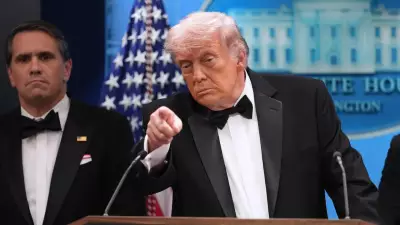
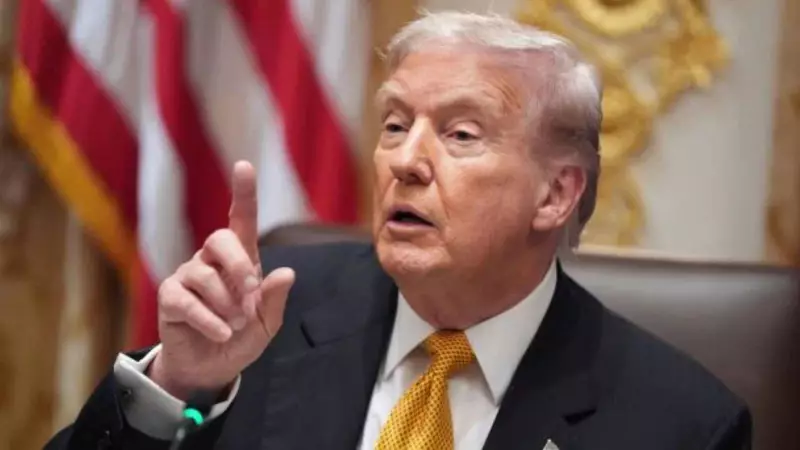
In a notable development in US-Belarus relations, Donald Trump has nominated Joel D. Reisman as his Special Envoy to Belarus. The announcement came through Trump's campaign spokesperson, Steven Cheung, who confirmed the former president's continued engagement with international affairs.
The nomination follows what Trump's team describes as "successful negotiations" that led to the recent release of several political prisoners from Belarus. While specific numbers weren't provided in the initial announcement, the development marks a significant moment in the ongoing diplomatic efforts concerning the country often called "Europe's last dictatorship."

Pushing for More Prisoner Releases
Trump didn't stop at just appointing an envoy. The former president made it clear that he expects more political prisoners to be freed from Belarusian detention. Through his spokesperson, Trump emphasized that while progress has been made, the work remains incomplete until all political prisoners regain their freedom.
"While we are pleased with the releases that have already been secured, we will not rest until ALL political prisoners are freed," Trump stated in his announcement. This strong position underscores the former president's commitment to addressing human rights concerns in Belarus.
Background and Implications
The diplomatic move comes at a crucial time when Belarus continues to face international scrutiny over its human rights record and political situation. The country has been under various sanctions from Western nations following disputed elections and the subsequent crackdown on opposition figures and protesters.
Trump's nomination of a special envoy signals his continued interest in foreign policy matters and potentially sets the stage for his approach to international relations should he return to power. The appointment of Joel D. Reisman, whose background and qualifications weren't detailed in the initial announcement, represents Trump's personal diplomatic channel to Belarus outside official government structures.
This development also highlights the ongoing efforts to secure the release of individuals detained for political reasons in Belarus. The country has numerous recognized political prisoners, including opposition leaders, journalists, and activists who have spoken out against the government.
The international community has repeatedly called for their release, with various organizations documenting human rights abuses and calling for accountability. Trump's involvement adds a significant voice to these calls, though the specific mechanisms through which he secured the initial releases remain unclear.
As the situation develops, observers will be watching closely to see how this personal diplomatic initiative interacts with official US government policy toward Belarus and whether it leads to tangible results in securing more prisoner releases.