

Trump Escalates Rhetoric Against Iran While Maintaining Diplomatic Channels
In a dramatic escalation of tensions, US President Donald Trump has adopted an increasingly aggressive stance toward Iran, threatening to bomb the country's critical energy infrastructure while simultaneously pursuing renewed diplomatic negotiations. The dual approach reflects Washington's complex strategy of combining military pressure with ongoing diplomatic efforts to secure what Trump describes as a "fair and reasonable" agreement with Tehran.
Ceasefire Violation Allegations and Stark Warnings
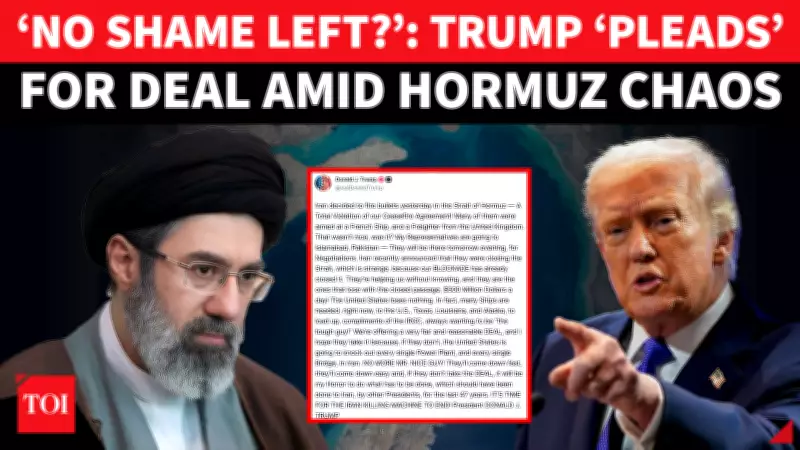
Through a post on his Truth Social platform, President Trump directly accused Iranian forces of firing at commercial vessels navigating the strategically vital Strait of Hormuz. He characterized these alleged actions as a "total violation" of existing ceasefire arrangements, marking a significant deterioration in the already tense regional situation. Despite this strong condemnation, the American leader confirmed that US representatives will travel to Islamabad for fresh talks with Iranian counterparts, indicating that diplomatic channels remain operational despite the heated rhetoric.
The president issued an explicit warning to Tehran, stating that the United States would launch major strikes against Iranian infrastructure targets if the Iranian government refuses to accept Washington's proposed terms. This threat specifically targets Iran's energy sector, which represents a crucial component of the nation's economy and strategic position in global oil markets.

Washington's Dual Strategy: Pressure and Negotiation
The current situation reveals a carefully calibrated approach by the Trump administration, employing both military intimidation and economic leverage while continuing to engage in diplomatic discussions. This strategy aims to maximize pressure on Tehran to concede to American demands while maintaining at least nominal pathways toward peaceful resolution. The delicate balance between escalation and diplomacy will likely determine the trajectory of US-Iran relations in the coming weeks and months.
As tensions around the Strait of Hormuz continue to intensify, the international community watches closely how this high-stakes geopolitical confrontation will unfold. The narrow waterway serves as a critical global oil transit route, making any military conflict in the region potentially devastating for worldwide energy markets and economic stability.
Regional Implications and Global Concerns
The renewed threats and diplomatic maneuvering occur against a backdrop of heightened regional instability, with multiple actors closely monitoring developments. The Trump administration's approach represents a significant departure from more conciliatory diplomatic postures, reflecting what some analysts describe as a "no more nice guy" strategy toward Iran. This shift comes as Washington seeks to reassert its influence in the Middle East while addressing what it perceives as Iranian aggression and non-compliance with international agreements.
The coming phase of this conflict will test both nations' willingness to compromise and the international community's capacity to mediate between two increasingly adversarial powers. With military assets positioned throughout the Persian Gulf region and diplomatic envoys preparing for talks in Pakistan, the situation remains fluid and potentially explosive, requiring careful navigation by all involved parties to prevent catastrophic escalation.






