

Trump Demands Iran Stop Charging Tolls in Strait of Hormuz, Reversing Earlier Position
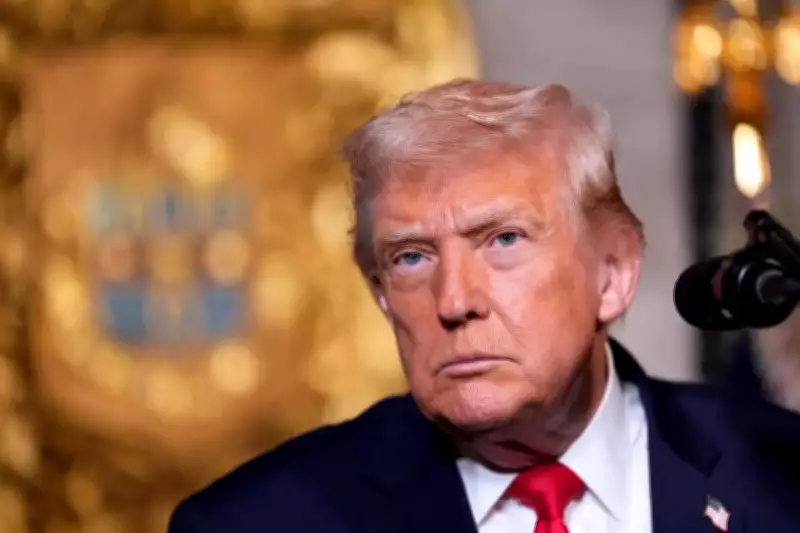
US President Donald Trump has issued a stern warning to Iran, demanding an immediate halt to any fees imposed on vessels navigating the Strait of Hormuz. This declaration marks a sharp reversal from his previous stance, where he appeared to endorse such tolls and even suggested Washington should share in the profits through a deal with Tehran.
Trump's Contradictory Statements on Maritime Tolls
In a social media post on Friday, Trump stated, "There are reports that Iran is charging fees to tankers going through the Hormuz Strait — They better not be, and if they are, they better stop now!" He followed up by criticizing Iran's management of oil transit, calling it "a very poor job, dishonourable some would say." This represents the third distinct position articulated by the US President on this sensitive issue within a short timeframe.
Initially, Trump provoked controversy by suggesting the US should charge tolls instead, invoking the principle of "to the victor goes the spoils." He later floated a joint venture with Iran, describing it as a "beautiful" idea to secure the strait. These rapid shifts have left diplomats, shipping companies, and legal experts grappling with the broader implications for global maritime law and trade stability.

Legal Framework Under UNCLOS and Global Implications
Under the United Nations Convention on the Law of the Sea (UNCLOS), the Strait of Hormuz is classified as an international strait, where coastal states like Iran and Oman are prohibited from hampering transit passage. While fees can be charged for specific services such as pilotage or emergency repairs, they cannot be imposed as a general navigation tax. Iran's reported move to extract tolls, potentially in cryptocurrency, has been condemned by maritime law experts as a violation of treaty obligations.
The distinction between natural straits and man-made canals is crucial here. Artificial waterways like the Suez and Panama Canals legally charge tolls for maintenance and security, but natural straits like Hormuz are governed by the principle of free transit. Allowing unilateral tolls in such geographic chokepoints could set a dangerous precedent, enabling economic coercion and destabilizing global trade routes.
Economic Stakes and Regional Concerns
The Strait of Hormuz is a vital artery for global energy supplies, handling approximately one-fifth of the world's oil. For India, it accounts for 40% of oil imports and 90% of liquefied natural gas (LNG) supplies, though New Delhi has diversified sources to include Russia, the USA, and Venezuela. Even the threat of tolls can spike insurance premiums and disrupt supply chains from Europe to Asia.
Attention is now shifting to other critical waterways, such as the Strait of Malacca, where free passage has long been upheld. Analysts warn that destabilizing Hormuz could encourage other nations, like India or China, to impose fees in contested regions, further eroding international norms. Japan and other energy-dependent economies have expressed concerns, fearing that conflict and commercial exploitation could roil markets and increase geopolitical tensions.
As global leaders navigate these challenges, the debate over maritime tolls underscores the fragile balance between national interests and collective security in an increasingly interconnected world.






