Trump's Nuclear Bombshell Ignites Iran's Fury Before Islamabad Dialogue
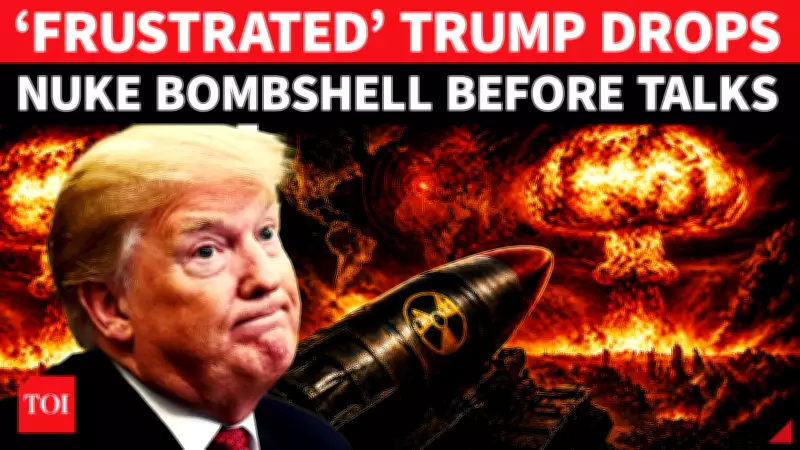
In a dramatic late-night address, US President Donald Trump sent shockwaves through the international community by declaring that extracting enriched uranium from Iran—which he referred to as "nuclear dust"—would be a "long and difficult" process. This statement came in the wake of recent American and Israeli military strikes targeting Tehran's nuclear facilities, underscoring the deep entanglement of nuclear issues with the ongoing regional conflict and the impending peace negotiations.
Trump's Stark Assessment of Uranium Recovery Efforts
President Trump asserted that Operation Midnight Hammer had successfully destroyed key nuclear sites in Iran. However, he emphasized that the task of recovering buried uranium remnants would require significant time and effort, highlighting the complexities involved in post-strike operations. This revelation has raised concerns about the long-term implications for nuclear non-proliferation and regional stability, as it suggests that even after military actions, the threat from nuclear materials may persist in a latent form.
Iran's Swift and Forceful Rebuttal
In response to Trump's claims, Iran fired back with a sharp retort, dismissing the uranium extraction narrative as baseless and provocative. Iranian officials labeled the statements as an attempt to justify aggressive actions and undermine diplomatic efforts. This exchange has escalated tensions between the two nations, casting a shadow over upcoming talks with Pakistan, which are seen as a critical juncture for de-escalation and conflict resolution in the region.

Broader Implications for Global Diplomacy and Security
The timing of Trump's remarks, just ahead of scheduled discussions in Islamabad, has added a layer of urgency to the diplomatic landscape. Analysts warn that such public declarations could complicate peace processes by hardening positions and fueling mistrust. The situation underscores the volatile nature of US-Iran relations, where nuclear assertions and counterclaims often serve as proxies for broader geopolitical struggles, affecting not only the Middle East but also global security dynamics.

- Trump's characterization of uranium as "nuclear dust" reflects a strategic messaging effort to downplay Iran's nuclear capabilities while acknowledging operational challenges.
- Iran's rebuttal highlights its defiance and commitment to defending its sovereignty against perceived external threats.
- The upcoming Pakistan talks are now poised under heightened scrutiny, with nuclear issues likely to dominate the agenda.
- This episode reinforces the need for transparent and verifiable diplomatic channels to address nuclear concerns without escalating into further conflict.