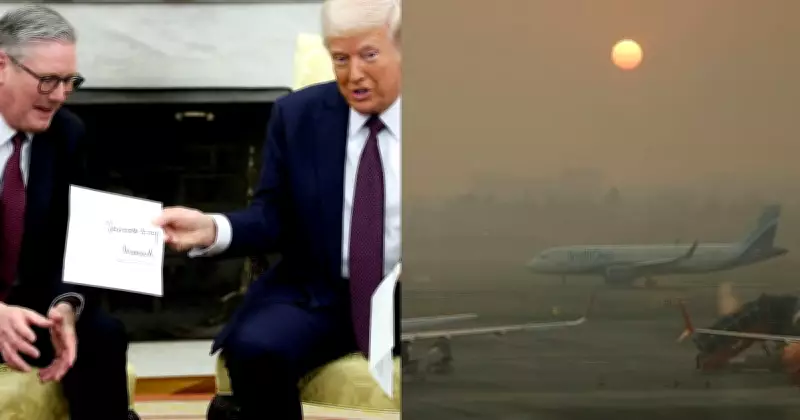
UK Prime Minister Defends NATO as Trump Renews Threat to Withdraw from Alliance
In a significant development on the international stage, the United Kingdom's Prime Minister has come forward to staunchly defend the North Atlantic Treaty Organization (NATO). This defense comes in response to renewed threats from former United States President Donald Trump, who has once again indicated his intention to potentially withdraw the US from the pivotal military alliance. The Prime Minister emphasized the critical importance of NATO for global security and stability, highlighting its role in deterring aggression and fostering cooperation among member nations.
Trump's Repeated Threats to Quit NATO Pact
Former President Trump, known for his controversial foreign policy stances, has reiterated his skepticism towards NATO, threatening to pull the United States out of the pact. This is not the first time such threats have been made; during his presidency, Trump frequently criticized NATO allies for not meeting defense spending targets and questioned the value of the alliance. His latest comments have reignited concerns about the future of NATO and its cohesion, especially in the face of ongoing geopolitical tensions.
The UK Prime Minister's defense underscores a broader effort to reaffirm commitment to the alliance, urging all members to uphold their obligations and strengthen collective security. This situation highlights the fragile nature of international alliances in today's political climate, where leadership changes can significantly impact global diplomatic relations.

Indian Government Caps ATF Price Hike for Domestic Airlines Amid Global Fuel Shock
In a move aimed at protecting the domestic aviation sector, the Indian government has announced a cap on the price hike of Aviation Turbine Fuel (ATF) for domestic airlines. This decision comes amidst a severe global fuel shock, driven by fluctuating oil prices and supply chain disruptions that have escalated costs worldwide. By implementing this cap, the government seeks to provide relief to airlines struggling with rising operational expenses, thereby ensuring the sustainability and affordability of air travel within the country.
Mitigating Impact on Domestic Aviation Industry
The global fuel shock has posed significant challenges for airlines globally, with many facing increased fuel bills that threaten their profitability and operational viability. In India, the domestic aviation industry, which has been recovering from the impacts of the COVID-19 pandemic, is particularly vulnerable to such price surges. The government's intervention to cap ATF prices is expected to:
- Stabilize Airline Operations: By controlling fuel costs, airlines can better manage their budgets and avoid passing excessive price increases onto passengers.
- Support Economic Recovery: Affordable air travel is crucial for boosting tourism, trade, and connectivity, all of which are essential for India's post-pandemic economic revival.
- Enhance Competitiveness: This measure helps domestic airlines remain competitive in the international market, where fuel costs are a major factor in pricing strategies.
This policy reflects the government's proactive approach to addressing sector-specific issues amid broader economic uncertainties, demonstrating a commitment to safeguarding key industries from external shocks.
Broader Implications for Global and Domestic Markets
The dual developments of NATO defense and ATF price caps illustrate the interconnected nature of global and domestic policy responses. On one hand, international alliances like NATO face challenges from political rhetoric that could undermine decades of cooperation. On the other hand, national governments are taking decisive actions to shield their economies from global volatility, as seen with India's ATF cap.
These stories underscore the importance of strong leadership and strategic interventions in navigating complex geopolitical and economic landscapes. As the world grapples with ongoing crises, such measures highlight the need for both international solidarity and domestic resilience to ensure stability and growth.