

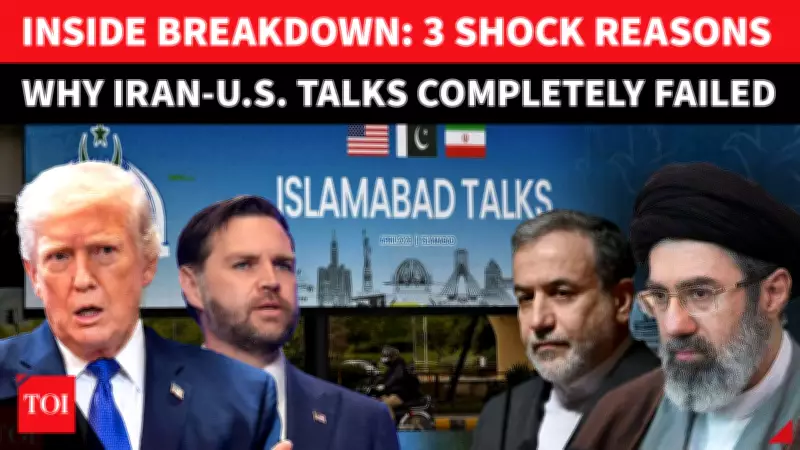
U.S.-Iran Diplomatic Talks Collapse in Islamabad After 21 Hours of Intense Negotiations
High-stakes diplomacy between the United States and Iran has collapsed following 21 hours of intense negotiations held in Islamabad, marking a significant failure in the first major engagement attempt since the Iranian Revolution. The breakdown underscores a deep clash of red lines between the two nations, with three primary reasons emerging as the core obstacles to any potential agreement.
Strategic Control of the Strait of Hormuz
At the heart of the dispute was the control and security of the strategic Strait of Hormuz, a vital global oil route through which approximately one-fifth of the world's oil passes. Washington pushed aggressively for guarantees of free and unimpeded navigation through the strait, emphasizing its importance to global energy markets and international trade. In contrast, Tehran insisted on asserting its sovereign control over the waterway, viewing any external demands as an infringement on its territorial rights. This fundamental disagreement over maritime security proved to be an insurmountable barrier, with both sides refusing to compromise on their core positions regarding the strait's management.
Nuclear Weapons and Sovereignty Concerns
The nuclear issue presented another major hurdle in the negotiations. The United States demanded firm and verifiable guarantees that Iran would not pursue the development of nuclear weapons, seeking assurances that would prevent any future escalation in regional tensions. However, Iran rejected these conditions as excessive and a violation of its national sovereignty, arguing that such demands undermined its rights under international nuclear agreements. The deadlock over uranium enrichment levels and related nuclear activities further complicated discussions, highlighting the persistent mistrust between the two nations on this critical security matter.

Linkage to Lebanon Ceasefire and Regional Tensions
Tensions escalated further when Iran linked the talks to a ceasefire in Lebanon and the role of Hezbollah, a move that Washington strongly resisted. Tehran sought to integrate discussions about Hezbollah's activities and a potential ceasefire in Lebanon into the broader negotiation framework, aiming to address regional conflicts comprehensively. The United States, however, viewed this as an unwarranted expansion of the agenda, preferring to focus narrowly on bilateral issues. Disagreements over sanctions relief and war-related demands added to the deadlock, with both sides unable to find common ground on how to approach these interconnected regional challenges.
Broader Implications and Future Prospects
The collapse of these talks has significant implications for regional stability and international diplomacy. The failure to reach an agreement may lead to increased tensions in the Strait of Hormuz, potential escalations in nuclear proliferation concerns, and heightened conflicts in Lebanon involving Hezbollah. As both nations return to their respective positions, the prospects for renewed dialogue appear dim, with each side blaming the other for the breakdown. This diplomatic setback underscores the complex and multifaceted nature of U.S.-Iran relations, where historical grievances, strategic interests, and regional dynamics continue to hinder progress toward peaceful resolutions.






