

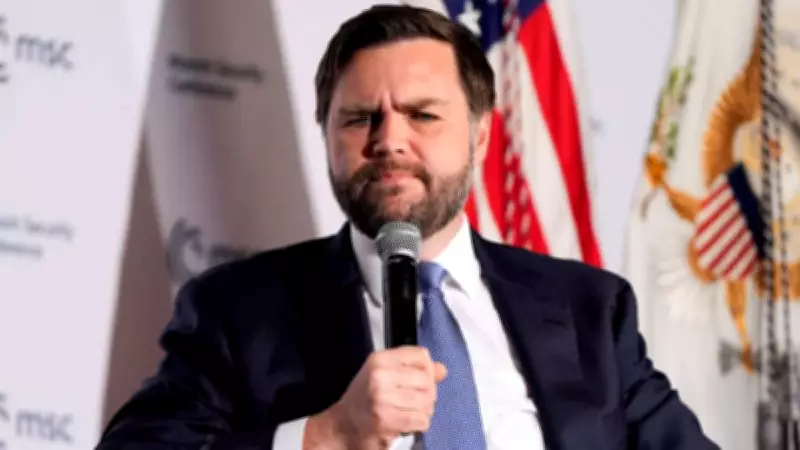
JD Vance Discloses Ongoing Trump Communication During Failed US-Iran Negotiations
In a significant revelation, US Senator JD Vance has publicly acknowledged maintaining constant communication with former President Donald Trump throughout the unsuccessful 2026 diplomatic talks between the United States and Iran. This disclosure sheds new light on the behind-the-scenes dynamics that influenced the high-stakes negotiations, which ultimately collapsed without reaching a resolution.
Details of the Communication and Negotiation Breakdown
Vance, a prominent Republican figure and close ally of Trump, explained that their discussions focused extensively on the core issues hindering progress, particularly the longstanding nuclear dispute. He emphasized that Trump provided strategic insights and feedback based on his prior administration's experiences with Iran, though the exact nature and frequency of these exchanges were not fully detailed. The senator attributed the failure of the talks primarily to irreconcilable differences over Iran's nuclear program, which has been a persistent source of international concern and sanctions.
Geopolitical tensions and domestic political factors further complicated the negotiations, according to Vance. He noted that the Biden administration's approach faced criticism from Trump and his supporters, who argued for a tougher stance. This internal political divide within the US likely undermined a unified strategy, making it challenging to present a coherent position to Iranian officials. Additionally, regional conflicts and Iran's alliances with other nations added layers of complexity that stalled diplomatic efforts.

Implications for Future US Foreign Policy
The revelation highlights the ongoing influence of Trump in Republican circles and its impact on US foreign policy, even after his presidency. Vance's comments suggest that shadow diplomacy, where former leaders advise current negotiations, can play a role in international affairs, though it may also create confusion or mixed signals. Experts warn that such involvement could hinder bipartisan efforts and complicate future talks with Iran or other adversarial nations.
Looking ahead, the failed talks raise questions about the viability of reviving nuclear agreements and managing US-Iran relations. With the 2026 negotiations ending in deadlock, both countries may face increased instability, potential escalations in regional conflicts, and continued economic sanctions. Vance's disclosure underscores the need for transparent and cohesive diplomatic strategies to address nuclear proliferation and other global security challenges effectively.






