

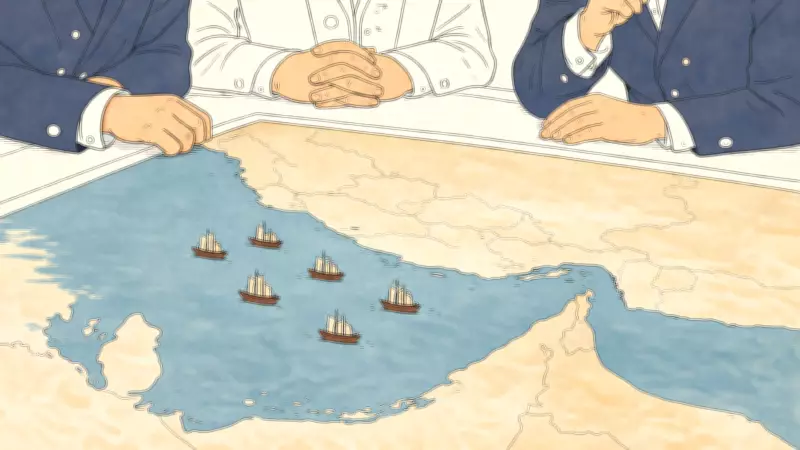
Britain's Strategic Gamble: The Kharg Island Conundrum
In the early 19th century, the British Empire faced what it perceived as an existential threat to its prized colonial possession: India. The source of this alarm was none other than Napoleon Bonaparte, whose ambitions seemed boundless. Lord Minto, the Governor General stationed in Calcutta, delivered a stark warning to his executive council in January 1808. He declared that Napoleon, whom he described as "the greatest military power now existing or perhaps that ever did exist in the world," was plotting to invade India.
The Persian Gateway: A Calculated Fear
Lord Minto's intelligence suggested that Napoleon intended to launch this invasion from Persia. Recognizing the immense strategic value of controlling access points, Minto emphasized the critical need to confront this threat far from India's borders. At a secret consultation held in March 1808, he articulated this strategy clearly, stating, "The very preservation of our empire in India may depend upon our meeting the advances of the enemy at a remote position." This statement underscored the British belief in preemptive action to safeguard their interests.
Kharg Island: The Twice-Seized Stronghold
In response to this perceived danger, the British military executed operations to seize Kharg Island, located in the Persian Gulf. This island was viewed as a crucial strategic asset that could serve as a forward base to monitor and potentially block any French-led advances through Persia. Historical records confirm that British forces occupied Kharg Island on two separate occasions during this period, aiming to establish a permanent foothold.

However, despite these efforts, Britain ultimately failed to retain control over Kharg Island. The reasons for this failure are multifaceted and reveal the complexities of imperial strategy in the region.
Why Britain Couldn't Hold Kharg Island
- Geopolitical Resistance: Local Persian forces and regional powers resisted British occupation, viewing it as an infringement on sovereignty.
- Logistical Challenges: Maintaining a remote military outpost proved difficult due to supply line issues and harsh environmental conditions.
- Shifting Alliances: The geopolitical landscape evolved, with Napoleon's focus shifting away from India, reducing the immediate threat and Britain's justification for holding the island.
- Strategic Reassessment: British military planners may have concluded that other locations offered better defensive positions for protecting India.
This episode highlights a significant chapter in colonial history, where imperial ambitions clashed with practical realities. The British grab for Kharg Island, driven by fear of Napoleon, ended not in lasting control but in a strategic withdrawal, leaving a legacy of what might have been in the annals of empire.






