

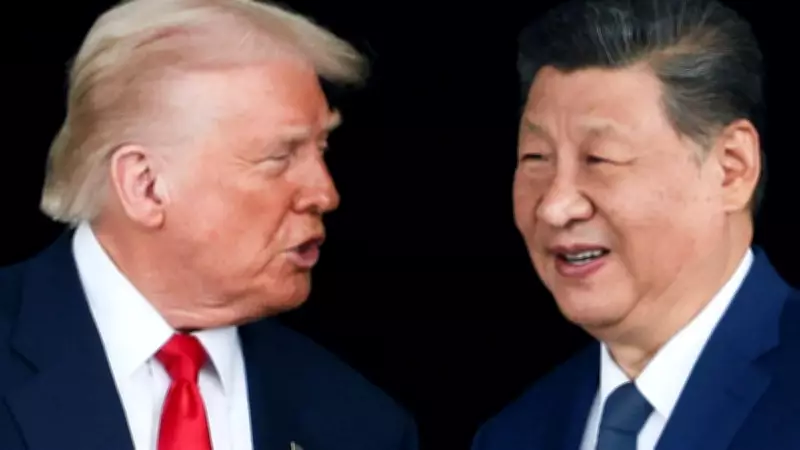
In a significant diplomatic maneuver, Chinese President Xi Jinping has conducted a series of high-level conversations with key global figures to deliberate on the mounting uncertainties in the international arena. This development underscores China's proactive role in navigating complex geopolitical dynamics.
Strategic Dialogue with Former US President Trump
Following a detailed and substantive video call with Russian President Vladimir Putin, which lasted for over an hour, President Xi Jinping extended his diplomatic outreach to former United States President Donald Trump. The discussion between Xi and Trump focused on the broader implications of the current global situation, which has been characterized by volatility and shifting alliances.
The timing of these talks is particularly noteworthy, as they occur against a backdrop of escalating tensions and economic challenges worldwide. By engaging with both a current world leader and a former US president, China appears to be adopting a multifaceted approach to international diplomacy.

Key Themes of the Discussions
The conversations reportedly centered on several critical issues contributing to global instability. These include:
- Economic uncertainties stemming from trade disputes and market fluctuations.
- Security concerns in various regions, including ongoing conflicts and territorial disputes.
- Cooperative frameworks for addressing transnational challenges such as climate change and public health crises.
President Xi's dialogue with Putin, which preceded the call with Trump, was described as comprehensive and in-depth, covering a wide range of bilateral and multilateral topics. The hour-long video conference allowed both leaders to exchange views on enhancing strategic coordination between China and Russia.
Implications for Global Diplomacy
This sequence of diplomatic engagements highlights China's assertive stance in shaping global narratives and fostering dialogue among major powers. The fact that Xi chose to speak with Trump, a figure who remains influential in American politics, suggests an effort to maintain open channels of communication across political spectrums.
Analysts observe that such interactions could pave the way for more stabilized international relations, even as the world grapples with unpredictable events. The emphasis on discussing the unstable global situation reflects a shared recognition among these leaders of the need for concerted action to mitigate risks.
While specific outcomes of the talks have not been publicly disclosed, the mere occurrence of these discussions signals a potential recalibration in diplomatic strategies. It also underscores the importance of personal diplomacy in an era where digital communication bridges geographical divides.
As global dynamics continue to evolve, the role of China in facilitating high-level dialogues will be closely monitored by international observers. The engagement with both Putin and Trump within a short timeframe demonstrates a strategic balancing act aimed at addressing multifaceted global challenges.






