

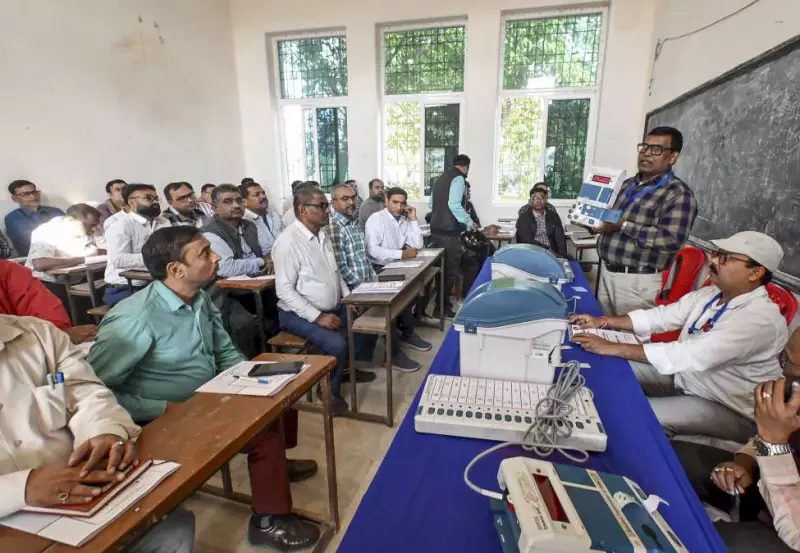
A recent independent survey conducted in Karnataka has delivered a significant vote of confidence in the state's electoral machinery. The findings reveal that a substantial majority of the electorate trusts the Electronic Voting Machines (EVMs) and perceives the overall election process to be free and fair. This data provides a crucial snapshot of public sentiment regarding the democratic process in one of India's key states.
Key Findings: Overwhelming Trust in the System
The survey, which gathered responses from voters across Karnataka, presented some compelling statistics. More than 80% of the respondents expressed trust in the functioning of EVMs. This high level of confidence is a critical indicator of the perceived reliability of the technology used to cast and count votes.
Parallel to this trust in technology, a similar proportion of voters, again exceeding 80%, believe that elections in the state are conducted in a free and fair manner. This perception is fundamental to the health of a democracy, as it underscores the electorate's faith in the integrity of the outcome and the institutions managing the process.

Implications for Democratic Participation
Such strong positive sentiment has direct implications for voter turnout and engagement. When citizens trust the system, they are more likely to participate actively. The survey suggests that the foundational elements of Karnataka's elections—impartial administration and transparent technology—are viewed favorably by the public.
This trust acts as a bulwark against misinformation and skepticism that can sometimes surround electoral processes. The findings highlight that, despite debates at the national level, the ground-level experience for voters in Karnataka fosters assurance. The state's election authorities appear to have successfully instilled a sense of credibility in their operations.
A Snapshot of Electoral Integrity
The survey results stand as a testament to the effective implementation of electoral protocols in the state. They indicate that the measures taken to ensure security, transparency, and efficiency in elections are resonating with the common voter. The high percentage figures are not just numbers; they represent a widespread belief in the sanctity of the ballot.
In an era where electoral processes are scrutinized globally, this data from Karnataka offers a positive narrative. It shows that robust systems and consistent execution can build and maintain public trust over time. The confidence in EVMs, in particular, reinforces the successful technological modernization of India's election infrastructure.
In conclusion, this new survey from Karnataka paints an encouraging picture of democratic health. The overwhelming trust in EVMs and the belief in free and fair elections underscore a stable and confident electorate. These findings are crucial for policymakers and electoral bodies as they work to preserve and enhance this trust in future elections.






