The Trinamool Congress (TMC) launched a sharp critique against the Election Commission of India (ECI) on Sunday, accusing the poll body of adopting an insensitive approach during its ongoing revision of voter lists. The party alleged that the ECI is summoning elderly, ailing citizens and Persons with Disabilities (PWDs) to attend hearings at designated camps, often far from their homes, causing them undue hardship.
Allegations of 'Torture' and Inhuman Treatment
TMC MP Partha Bhowmik, addressing a press conference, stated that the ECI has been issuing summons to aged and infirm individuals categorized as "unmapped" due to discrepancies in their enumeration forms. He condemned the practice, arguing it contradicts established electoral protocols. "This is nothing short of torture," Bhowmik asserted. "The EC sends polling personnel to the residences of elderly persons due to mobility issues during elections. Why could they not follow the same procedure this time?" He revealed that the party had formally flagged this issue, advising that polling officials should be sent to the residences of such vulnerable voters for the hearing process.
Echoing these sentiments, Shashi Panja, the state's Minister of Women and Child Development and Social Welfare, described the ECI's stance as "inhuman." She highlighted the practical difficulties faced by these groups. "Elderly persons, ailing and differently abled people are facing great difficulty in reaching the camps at the appointed date and hour," Panja said. She urged the Commission to immediately lower the age limit for home visits, currently set at 85 years, to accommodate more people.

The Context of the 'Unmapped' Voter Hearings
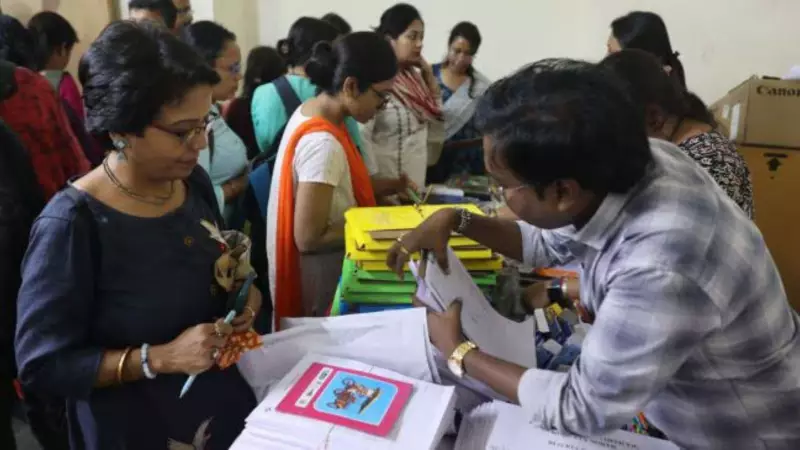
The controversy stems from the ECI's Special Intensive Revision (SIR) of electoral rolls. The process, which began on December 27, 2025, involves hearings for electors who were classified as "unmapped." This category typically includes voters whose details in the electoral database have inconsistencies or require verification. According to the TMC, a massive 1.36 crore people across the state are slated to be called for this verification process.
The senior TMC leadership has demanded transparency from the ECI, calling for the publication of a detailed break-up showing the categories under which people have been summoned. This demand underscores the party's concern that the current method is disproportionately affecting vulnerable sections of the electorate.
Mounting Pressure and Expected Outcomes
The TMC's public condemnation places significant political pressure on the Election Commission. The party has firmly stated its condemnation of the ECI's behaviour in this matter. The core demand remains clear: the poll body must revert to a voter-friendly approach by ensuring that officials conduct hearings at the homes of those who are elderly, unwell, or disabled, rather than forcing them to travel.
This incident has sparked a debate on the balance between administrative efficiency and voter convenience during crucial electoral exercises. As the revision process continues, all eyes will be on the ECI's response to these allegations and whether it will amend its procedures to alleviate the burden on sensitive voter groups.