Bengaluru's Traffic Nightmare: Daily Influx of 1,500 Vehicles Overwhelms City Roads
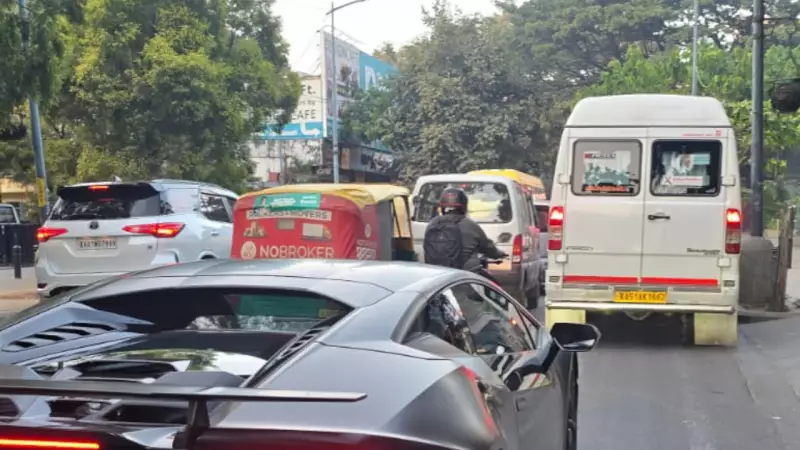
The bustling metropolis of Bengaluru is grappling with an escalating traffic crisis that has turned daily commutes into a frustrating crawl. With approximately 1,500 new vehicles being added to the city's roads every single day, the strain on infrastructure is reaching breaking point. This relentless growth in vehicle numbers is occurring against a backdrop of stagnant road development, creating a perfect storm for congestion.
Static Infrastructure Meets Explosive Vehicle Growth
Bengaluru's road network has remained virtually unchanged for an entire decade, hovering around 13,000 kilometers in total length. Meanwhile, the city has experienced significant expansion in both population and geographical footprint. This glaring mismatch between static infrastructure capacity and rapidly increasing traffic demands has become the fundamental driver of Bengaluru's transportation woes.
Vehicle Registrations Nearly Double in a Decade
The scale of Bengaluru's vehicle explosion is staggering. Registered vehicles in the city have surged from 64.4 lakh in 2015 to over 1.2 crore in 2025, representing a dramatic 90% increase in just ten years. This near-doubling of vehicles on already congested streets has placed tremendous pressure on every major artery and intersection throughout the metropolitan area.

Daily Vehicle Additions Worsen Congestion
On average, Bengaluru witnesses approximately 1,500 new vehicles hitting its roads daily. However, this number fluctuates significantly, with some months experiencing even higher volumes. For instance, October has recorded as many as 2,700 new vehicles in a single day, consistently worsening traffic congestion patterns throughout the city.
Private Vehicles Dominate the Surge
The overwhelming majority of new vehicles entering Bengaluru's transportation ecosystem are privately owned. Two-wheelers and personal cars constitute the largest share of this growth, highlighting the city's heavy reliance on personal transport options rather than public alternatives. This preference for private vehicles directly contributes to the mounting congestion challenges.
Two-Wheeler Numbers Skyrocket
Two-wheeler registrations have experienced particularly sharp growth, doubling from 41.8 lakh to 84.6 lakh over the past decade. This dramatic increase reflects growing dependence on motorcycles and scooters for daily commuting needs across Bengaluru, further crowding already packed roadways.
Car Ownership Adds Significant Pressure
Car registrations have also seen substantial growth, increasing from 14.2 lakh to nearly 24.4 lakh over the same ten-year period. As more families opt for personal vehicles instead of shared or public transportation options, this growth significantly contributes to worsening traffic congestion throughout the city.
Public Transport Expansion Remains Stagnant
Despite the soaring numbers of private vehicles, Bengaluru's public transport infrastructure has failed to keep pace. The city's bus fleet remains stagnant at approximately 7,000 vehicles, showing that public transport expansion has not matched the city's rapid growth trajectory. This imbalance forces more residents to rely on personal transportation.
Limited Metro Coverage Insufficient for City Size
Bengaluru currently operates only 96 kilometers of Metro lines with 83 stations, a network that proves insufficient for a city of its massive size and population. This limited coverage leaves millions of residents dependent on road-based transportation, inevitably worsening congestion across the metropolitan area.
Daily Traffic Bottlenecks Become Reality
With roads not expanding and public transport development lagging, Bengaluru commuters face daily bottlenecks, extended travel times, and increasing stress levels. The city's streets have transformed into an almost constant traffic grind, affecting productivity, quality of life, and economic efficiency.

Growth Far Outpaces Infrastructure Development
Bengaluru's explosive growth in both population and vehicle numbers has far outstripped infrastructure development. This widening gap highlights the urgent need for comprehensive solutions, including road widening projects and substantial scaling of public transportation systems to match the city's growing demands.
The situation calls for immediate policy interventions and infrastructure investments to prevent Bengaluru's transportation system from reaching complete gridlock. Without significant changes to both infrastructure and transportation patterns, the city's traffic woes are likely to intensify in the coming years.