

Bhubaneswar Civic Body Launches Toll-Free Helpline for Coconut Waste Collection
In a proactive move to address the mounting issue of discarded coconut shells and peels, the Bhubaneswar Municipal Corporation (BMC) has rolled out a dedicated toll-free number. This initiative, announced on Monday, encourages residents to report littered coconut waste for swift collection and processing, targeting a significant component of the city's municipal solid waste.
Addressing a Growing Environmental Challenge
The civic body highlighted that Bhubaneswar generates an estimated 5,000 to 6,000 pieces of waste coconut daily. These discarded items often accumulate in markets, residential neighborhoods, and public spaces, creating not only an eyesore but also posing serious environmental and public health risks. By introducing this toll-free reporting system, the BMC aims to ensure no used coconut remains unattended, thereby mitigating potential hazards.
N Ganesh Babu, BMC deputy commissioner for sanitation, explained: "The reason behind launching this toll-free number is to prevent any environmental hazard from unattended coconut waste. It also supports our sanitary workforce during door-to-door collection. When they encounter heaps of coconuts, they can simply call to request a specialized vehicle for pickup."

Innovative Processing and Revenue Generation
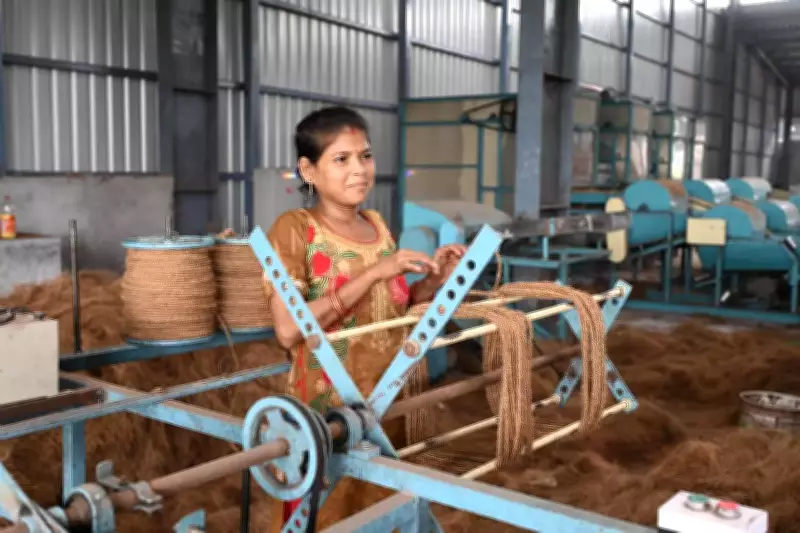
To complement the collection efforts, the BMC has established an exclusive coconut processing unit at its material recovery facility. This facility is equipped to handle up to 3,000 used coconuts each day. The processing involves:
- Drying the coconut peels thoroughly.
- Converting them into valuable products such as coir, rope, and coco pots.
- Supplying these items through a private agency, which generates revenue for the civic body.
This innovative approach not only reduces the burden on landfills but also transforms waste into useful resources, promoting sustainability and economic benefits.
Health Risks and Expert Warnings
Experts have raised concerns about the public health implications of uncollected coconut waste. They note that used coconuts can trap stagnant water, becoming ideal breeding grounds for mosquitoes. This increases the risk of vector-borne diseases in urban areas.
An expert emphasized: "Household waste, including coconut shells, can act as containers for wastewater. It's crucial to remove such waste from markets and residential zones to prevent mosquito breeding. Additionally, bacterial growth in the waste leads to unpleasant odors, further impacting community well-being."
Strengthening Waste Management Infrastructure
The new toll-free system is designed to enhance collection efficiency by directly connecting residents and sanitation workers with specialized vehicles assigned for coconut waste. This streamlined process is expected to:
- Improve response times for waste removal.
- Foster community participation in maintaining cleanliness.
- Support the BMC's broader goals of effective solid waste management and environmental protection.
By tackling this specific waste stream, Bhubaneswar sets an example for other cities grappling with similar challenges, demonstrating how targeted initiatives can lead to healthier, more sustainable urban environments.






