The Bhubaneswar Municipal Corporation (BMC) has initiated a renewed bidding process to bring the modern abattoir at Gadakana into full operation, marking a significant step forward nearly a decade after the project was first conceived to eliminate open slaughterhouses in the city.
Historical Context and Supreme Court Directives
Originally planned in 2011, the abattoir project was developed in response to Supreme Court mandates requiring municipal bodies to prevent animal cruelty and halt unregulated, open slaughtering practices. Construction commenced in 2017 with the goal of introducing mechanized and hygienic meat processing systems to Bhubaneswar.
Challenges and Delays in Implementation
Despite the completion of essential infrastructure, the facility remained non-functional as numerous meat vendors persisted with traditional slaughtering methods and showed reluctance to transition to the new system. This hesitation stemmed from concerns over operational costs, logistical hurdles, and potential disruptions to their established customer base.

Fresh Initiative with Request for Proposal
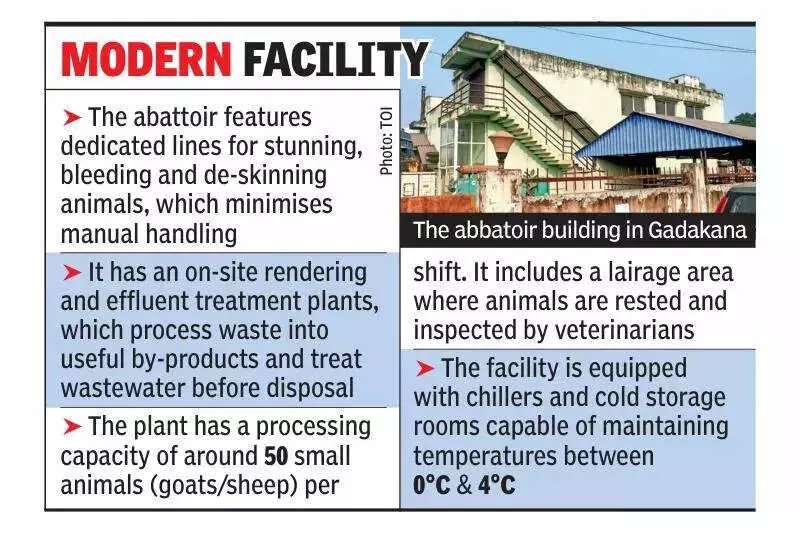
In a determined effort to revive the project, BMC has issued a request for proposal (RFP), inviting experienced agencies to take on the operation and maintenance of the Gadakana abattoir. The facility, constructed on approximately 0.4 acres of land, is equipped with a mechanized slaughter line, a rendering plant for waste management, cold storage units, an effluent treatment plant, and a lairage shed.
Contractual Framework and Operational Model
According to the RFP terms, the selected agency will manage the abattoir for an initial contract period of three years, with options for extension. BMC has proposed a shift-based operational model, reserving two shifts for local butchers and meat vendors, while allowing the operator to utilize one shift for commercial processing activities.
Public Health and Regulatory Objectives
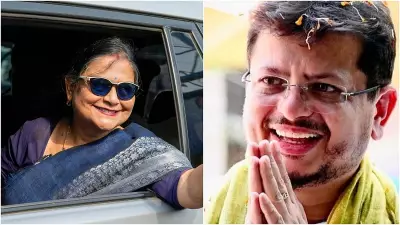
BMC officials emphasized that this renewed push aims to curb open slaughtering, particularly in wards 9, 11, and 12, and to ensure strict adherence to food safety and hygiene standards. City Mayor Sulochana Das articulated BMC's vision for the facility to serve as a viable alternative for vendors and a crucial public health safeguard for residents.
"The facility was created to bring order and hygiene to meat supply in Bhubaneswar. With renewed efforts, we hope to make it functional and sustainable," she stated, highlighting the corporation's commitment to transforming the city's meat processing landscape.
Vendor Perspectives and Cautious Optimism
Local vendors have expressed cautious support for the initiative, while raising valid concerns about associated costs and logistical challenges. Ramesh Sahu, a meat seller at Unit IV market, remarked, "If the charges are reasonable and the process is quick, we can shift, but we cannot lose customers due to delays."
Another vendor, Salim Khan from VSS Nagar, added, "We need clear rules on timings, cleaning, and transport. If BMC ensures smooth operations, it will help everyone." These comments underscore the importance of transparent guidelines and efficient management for successful vendor transition.
Community Response and Sanitation Benefits
Residents have welcomed the move, citing persistent sanitation issues linked to open slaughtering practices. Ananya Mohanty, a resident of Soubhagya Nagar, noted, "Smell and waste near some lanes is a daily problem. A regulated abattoir will make the area cleaner." This sentiment reflects broader community support for improved urban hygiene and environmental standards.
The revival of the Gadakana abattoir project represents a critical juncture in Bhubaneswar's urban development, balancing regulatory compliance with practical vendor needs to foster a safer and more sustainable meat processing ecosystem.