India's Census 2026-2027 First Phase Set to Commence in April with Comprehensive 33-Question Survey
The Government of India has officially announced that the first phase of the much-anticipated Census 2026-2027 will begin in April, marking a significant step in the nation's decennial population enumeration exercise. This initial stage will involve the distribution and collection of a detailed questionnaire comprising 33 questions, designed to gather a wide array of demographic, economic, and social data from households across the country.
Key Details of the Census 2026-2027 Launch
The census, which is conducted every ten years, serves as a critical tool for policy-making, resource allocation, and planning at both national and state levels. The decision to start the first phase in April aligns with the government's timeline to ensure a smooth and efficient data collection process. The 33 questions included in the questionnaire are meticulously crafted to capture essential information, including population counts, literacy rates, employment status, housing conditions, and access to basic amenities.
This comprehensive approach aims to provide a holistic view of India's evolving socio-economic landscape, enabling targeted interventions and development programs. The data collected will be instrumental in shaping future government schemes and initiatives, particularly in areas such as education, healthcare, and infrastructure.

Importance of the 33-Question Questionnaire
The questionnaire for Census 2026-2027 has been designed to be both thorough and user-friendly, ensuring that respondents can provide accurate information without undue burden. The 33 questions cover a broad spectrum of topics, which may include:
- Demographic details such as age, gender, and marital status
- Educational attainment and literacy levels
- Economic activities and occupational patterns
- Housing characteristics and availability of utilities
- Migration trends and disability status
By incorporating these diverse elements, the census aims to reflect the dynamic changes in Indian society over the past decade, from urbanization shifts to technological advancements. The findings are expected to offer valuable insights into population growth, distribution, and composition, which are crucial for sustainable development planning.
Preparations and Implementation Strategy
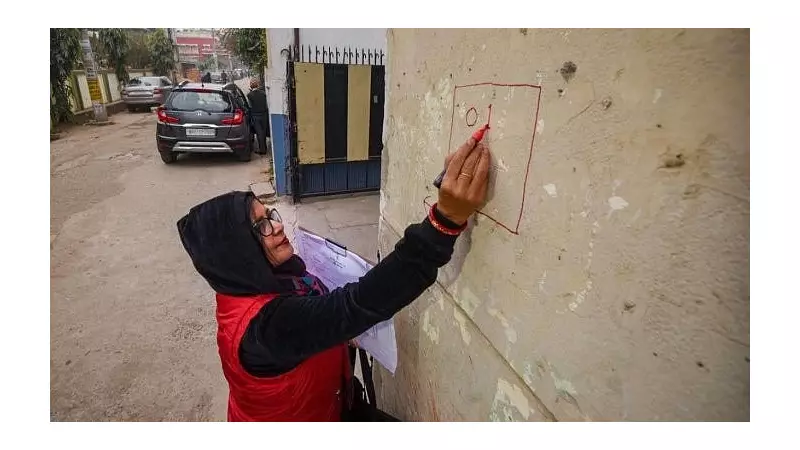
In preparation for the census, the government is likely to undertake extensive training programs for enumerators and supervisors to ensure data accuracy and consistency. The use of digital tools and technology may be emphasized to streamline the collection and processing of information, building on lessons from previous censuses. The first phase starting in April will primarily focus on the house-listing and housing census, which involves visiting every household to record details before the population enumeration phase.
This phased approach helps in creating a robust framework for the subsequent steps, minimizing errors and enhancing the reliability of the final data. Authorities are expected to collaborate with local bodies and community organizations to facilitate widespread participation and awareness, ensuring that every citizen is counted.
Broader Implications for India's Future
The Census 2026-2027 is not just a statistical exercise; it holds profound implications for India's governance and development trajectory. The data will inform critical decisions in sectors like healthcare, where it can guide public health initiatives, and education, by highlighting gaps in access and quality. Moreover, it will support economic planning by providing insights into workforce dynamics and consumption patterns.
As India continues to grow and transform, this census will serve as a vital benchmark for measuring progress and identifying areas needing attention. The successful execution of the first phase in April will set the tone for the entire process, underscoring the government's commitment to evidence-based policy-making and inclusive growth.

In conclusion, the launch of Census 2026-2027's first phase in April with a 33-question questionnaire represents a pivotal moment in India's data-driven governance. By capturing detailed socio-economic indicators, it aims to pave the way for a more informed and equitable future, aligning with national goals and global standards.