

Chandigarh Municipal Corporation's Gym Privatization Plan Faces Major Setback
In a significant setback for urban fitness infrastructure development, the Chandigarh Municipal Corporation (MC) has been compelled to re-tender its ambitious project to engage private firms for operating gyms and fitness centers in the city's community centers. This decision comes after the initial tender round failed to attract even a single bidder, despite a complete tendering process.
Extended Timeline and Direct Engagement Attempts
Officials from the engineering department have now floated the tender for a second time, providing a substantially extended 21-day window for interested parties to submit their bids. The MC has strategically planned a pre-bid meeting to directly address queries and concerns of potential bidders while simultaneously attempting to convince them of the project's financial viability and operational potential.
Administration officials express cautious optimism that this additional time and direct engagement approach might help generate the necessary market interest. However, internal sources acknowledge that several practical hurdles continue to pose significant challenges to the project's success.

Contentious History and Limited Scope
The proposal to transfer gym operations to private management was extensively debated during the MC's monthly general house meeting last year. Council members expressed sharply differing views on the matter, with many refusing to grant permission for private operators in their respective constituencies. This political resistance resulted in the MC shortlisting only approximately 12 community centers for inclusion in the tender—specifically those where area councilors provided consent and where basic gym facilities already existed.
During earlier deliberations, the civic body had finalized user charges as part of the operational framework. Community center members would be charged Rs 750 per quarter for gym access, while non-members or outsiders would pay Rs 750 per month. These standardized rates were incorporated into bid conditions with the expectation of providing predictable revenue streams for potential concessionaires.
Financial Viability Concerns Emerge
Multiple sources indicate that these predetermined financial conditions appear to be a primary factor behind the complete lack of bidder interest. Industry experts suggest the project "does not seem financially viable" for private agencies when compared to existing market realities.
Private gym establishments throughout Chandigarh offer substantially more comprehensive facilities including dedicated cardio zones, advanced strength training equipment, personalized training programs, diverse group fitness classes, spa and recovery services, and premium interior environments. These enhanced offerings consistently attract higher foot traffic and generate superior revenue.
In stark contrast, MC-run community center gyms provide only basic exercise areas with minimal equipment, making sustainable revenue generation particularly challenging for private operators working within the prescribed fee structure limitations.
Operational Constraints and Investment Reluctance
Additional concerns have emerged regarding operational flexibility. Private agencies appear reluctant to invest in a business model where user charges remain strictly capped and where they would have limited freedom to redesign facilities or expand service offerings. One source explained, "Private firms clearly feel this model cannot deliver sustainable financial returns. The existing footfall in MC gyms remains low primarily due to limited facilities and basic infrastructure."
Substantial Equipment Investment at Risk
Meanwhile, the civic body finds itself in a precarious position regarding the substantial gym equipment it has already procured. Over recent years, the MC made significant financial investments to purchase machinery for community center gyms. Unfortunately, much of this equipment now lies unused across various centers due to operational inefficiencies and management challenges.

According to corporation records, approximately 29 gym facilities exist across different community centers throughout Chandigarh. The primary objective behind outsourcing management was to ensure proper utilization of these substantial municipal assets and prevent further resource wastage.
Broad Operational Requirements Outlined
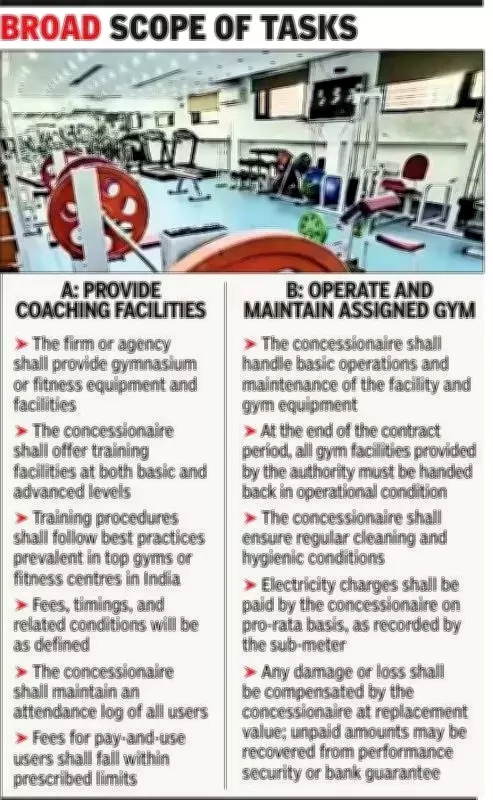
The Request for Proposal (RFP) document outlines comprehensive responsibilities for potential concessionaires:
- Coaching Facilities Provision: The selected firm must provide gymnasium equipment and related fitness facilities while offering training at both basic and advanced levels following industry best practices.
- Operation and Maintenance: The concessionaire will handle daily operations, equipment maintenance, regular cleaning, and hygienic upkeep while paying electricity charges based on sub-meter readings.
- Asset Protection: All facilities provided by the authority must be returned in operational condition at contract conclusion, with damage compensation payable at replacement value.
Future Prospects and Strategic Considerations
Municipal authorities now await market response to this second tendering attempt. The MC will determine subsequent steps based entirely on bidder participation levels. Officials privately admit that should this retender also fail to attract qualified bidders, the corporation will need to fundamentally reconsider its entire strategy for revitalizing community center gym facilities while preventing further deterioration of existing infrastructure investments.
The coming weeks will prove crucial in determining whether Chandigarh's community fitness centers can transition to professionally managed operations or whether alternative approaches must be developed to address this persistent urban infrastructure challenge.





