

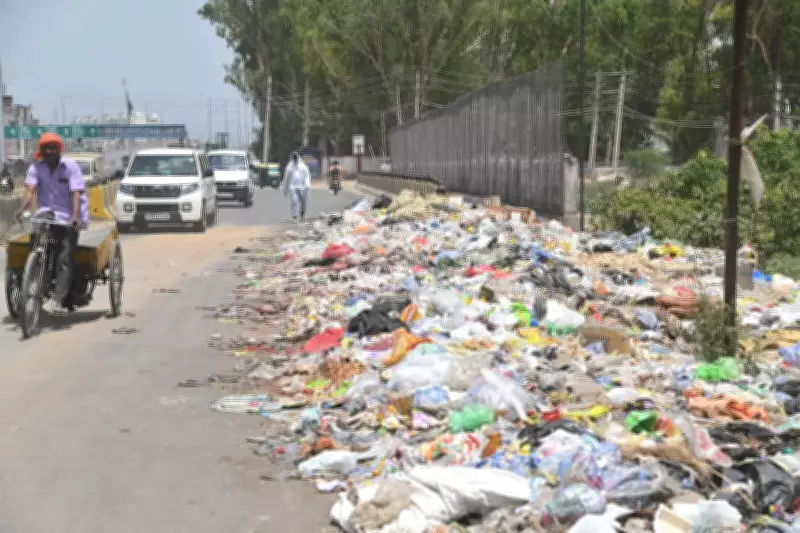
The first meeting of the state-level committee for effective implementation and monitoring of the Solid Waste Management Rules, 2026, was held in Chandigarh. UT chief secretary H Rajesh Prasad directed the municipal corporation to undertake comprehensive identification and mapping of all bulk waste generators, gated communities, and institutions to ensure enforcement and compliance with the waste management rules.
Revised Definition of Bulk Waste Generators
The committee deliberated on the revised definition and enhanced responsibilities of bulk waste generators under the new rules. Entities meeting any of the following criteria are now classified as bulk waste generators: average water consumption of 40,000 liters or more per day; generation of 100 kg or more of solid waste per day; or occupancy of a built-up area exceeding 20,000 square meters. Previously, classification was limited to entities generating more than 100 kg of solid waste daily.
Mandates for Gated Communities
Under the new rules, gated communities and large residential societies with an area exceeding 5,000 square meters must establish decentralized waste management systems and ensure strict compliance with source segregation and waste processing requirements.

Key Directives for Bulk Waste Generators
The committee directed all bulk waste generators to adhere to several requirements:
- Mandatory segregation and separate storage of waste at source
- Scientific processing of biodegradable waste through composting or bio-methanation where feasible
- Proper channelization of recyclable waste through authorized collectors or recyclers
- Scientific management of waste from events, functions, and commercial activities
- Maintenance of cleanliness in and around premises
- Strict compliance with directions from urban local bodies and pollution control authorities
- Registration with the urban local body through a centralized online portal
Emphasis on Public Participation
Chief secretary Prasad emphasized that cleanliness and scientific waste management require behavioral change and active public participation at all levels. He appealed to citizens to comply with their duties under the rules and adopt responsible waste management practices.
Role of Lead Facilitators
The committee discussed the role of lead facilitators, including councillors, mayors, corporators, and ward members, as recognized by the Supreme Court's order of February 19, 2026, for effective implementation of the rules at the ground level.
Penalties for Violations
Committee members stated that violations such as littering, non-segregation, open dumping, and burning of garbage will attract penalties, environmental compensation, and legal action under applicable laws.
The chief secretary appealed to all citizens, resident welfare associations, market associations, institutions, gated communities, and bulk waste generators to participate actively in making Chandigarh cleaner, healthier, and environmentally sustainable.






