

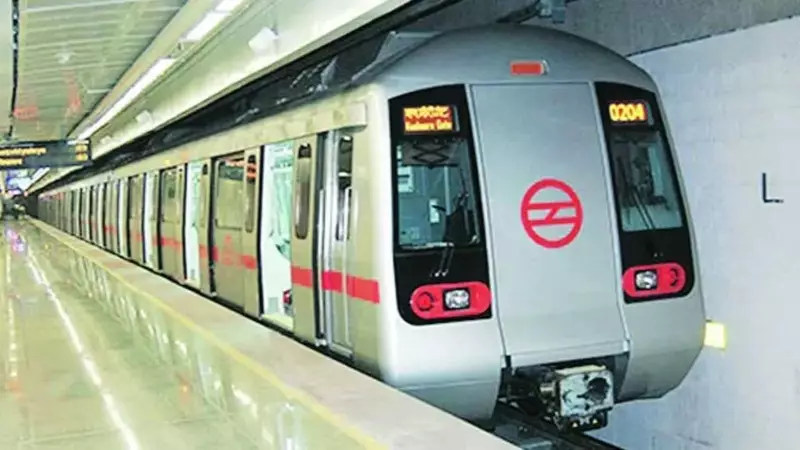
The Delhi Metro Rail Corporation has unveiled plans to transform three key stations into major triple-interchange hubs. This expansion aims to revolutionize cross-city travel for millions of daily commuters.
From One to Five: A Major Connectivity Boost
For nearly twenty years, Kashmere Gate stood alone as the Delhi Metro's sole triple-interchange station. It connected the Red, Yellow, and Violet lines, serving as a critical nexus in the network.
That era is ending. Under the ongoing Phase IV expansion, the DMRC will add three new triple-interchange stations. Officials confirmed that Azadpur, New Delhi, and Lajpat Nagar stations will soon join Kashmere Gate in this elite category.

Furthermore, the recently approved Phase V (A) will bring Central Secretariat into the fold. Upon completion, the network will boast five stations where passengers can seamlessly switch between three different lines at a single location.
Details of the New Triple-Interchange Hubs
The DMRC provided specific details about each new hub and its expected impact on the city's transit landscape.
Azadpur Station: This North Delhi hub will connect the Yellow Line, Pink Line, and Magenta Line. It promises to improve direct movement between North, West, and South Delhi, eliminating the need for multiple transfers. Officials expect it to become operational as a triple interchange by the end of 2026.
New Delhi Station: Located in the heart of the capital, this station will link the Yellow Line, Airport Express Line, and the Green Line. This configuration will offer smoother connectivity between the airport, Central Delhi, and western parts of the city. However, construction on the Green Line extension, part of the Phase IV non-priority corridors, has not yet begun and may take a couple more years.
Lajpat Nagar Station: In South Delhi, Lajpat Nagar will connect the Violet Line, Pink Line, and the upcoming Golden Line. This setup is designed to strengthen crucial east-west and north-south links across the southern part of the capital.
Future Expansion with Phase V (A)
The expansion does not stop with Phase IV. The approved Phase V (A) will see Central Secretariat become a triple-interchange station. It will connect the Yellow, Violet, and Magenta Lines via the proposed Ramakrishna Ashram Marg-Indraprastha corridor. This development is expected to significantly improve access to central Delhi and key government districts, including the Central Vista area.
Benefits for Commuters and the City
A senior DMRC official explained the profound advantages of these new hubs. "Triple-interchange stations offer seamless connectivity," the official said. "They allow passengers to switch between three corridors at one location. This directly helps reduce travel time and makes cross-city journeys faster and much more convenient."
The official highlighted broader urban benefits. "As more people choose the Metro, these stations will play a key role in reducing road traffic and cutting down pollution. They will also dramatically improve accessibility to residential areas, major business hubs, and important institutions across the National Capital Region."
Currently, the Delhi Metro network operates 29 interchange stations. The addition of these high-capacity triple-interchange points marks a strategic shift. It moves the system from a radial network with a single central hub to a more distributed and efficient grid. This change addresses the growing demand and the geographical spread of the city, promising a smoother, faster commute for everyone.






