

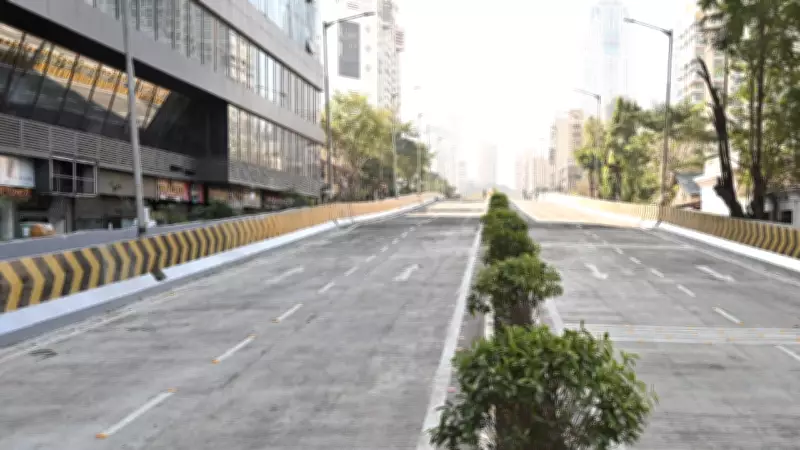
Maharashtra CM Fadnavis Virtually Inaugurates New Tardeo-Nagpada-Mumbai Central Flyover
Maharashtra Chief Minister Devendra Fadnavis on Thursday inaugurated the newly constructed Tardeo–Nagpada–Mumbai Central flyover through video conferencing, marking the reopening of a crucial east-west corridor in south Mumbai. The event was attended by Deputy Chief Minister Eknath Shinde, who joined Fadnavis for the virtual ceremony.
Replacing a 130-Year-Old British-Era Bridge
The new flyover replaces a 130-year-old British-era bridge near Mumbai Central that had been declared unsafe and subsequently demolished. Authorities anticipate that the operational structure will provide smoother traffic flow and significant relief from congestion, which has plagued commuters for nearly two years.
Officials highlighted that the flyover is expected to substantially reduce pressure on key arterial roads, including Jehangir Boman Behram Road (formerly Bellasis Road), Dr Dadasaheb Bhadkamkar Marg at Grant Road, Pathe Bapurao Marg, and the Mahalaxmi station bridge.

Structural Details and Pedestrian Safety
The 333-metre-long flyover features 138.39 metres on the eastern side, 157.39 metres on the western side, and 36.90 metres within railway limits. It includes a 7-metre-wide carriageway along with wide footpaths on both sides, designed to ensure enhanced pedestrian safety.
Project Completed Ahead of Schedule
The Brihanmumbai Municipal Corporation (BMC) successfully completed the project in 15 months and six days, finishing four months ahead of the scheduled deadline. Civic officials noted that the tender-set deadline still had four months remaining, underscoring the efficiency of the construction process.
While railway authorities managed work over the tracks, the BMC oversaw major construction activities such as girder bracing, deck sheet installation, slab casting, and the building of approach roads.
Collaborative Efforts and Overcoming Challenges
Civic officials attributed the fast-tracked project completion to close coordination between the BMC’s bridges department, railway authorities, the local ward office, and traffic police. The construction process faced several hurdles, including the relocation of BEST utility lines, demolition of obstructing structures with alternate arrangements for occupants, removal of a housing society boundary wall, and resolution of a case in the high court.
Safety Certifications and Public Access
Authorities confirmed that comprehensive load testing, structural stability checks, safety certification, and a no-objection certificate from railway authorities have been completed. With all necessary approvals in place, the flyover is now fully open for public use, promising improved connectivity and reduced travel times in the bustling south Mumbai region.






