

Goa Government Announces Major AI-Powered Traffic Surveillance Initiative
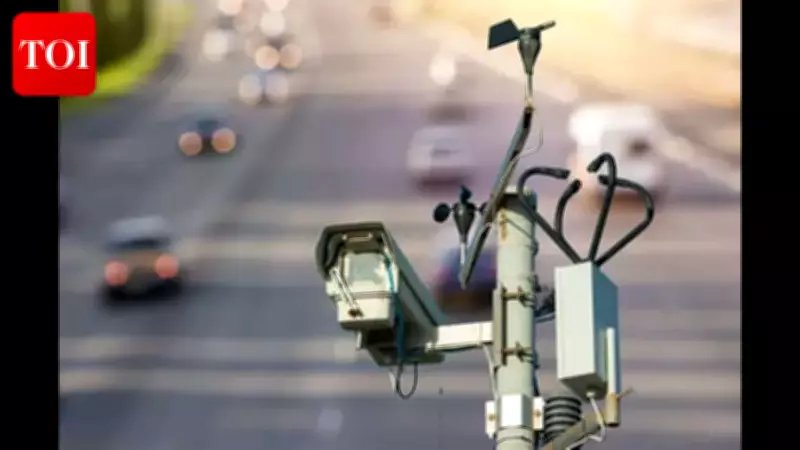
In a significant move to modernize traffic management, the Goa government has unveiled plans to install artificial intelligence-powered cameras equipped with automatic number plate recognition (ANPR) technology at 92 strategic locations across the state. This initiative aims to revolutionize how traffic violations are detected and enforced, moving away from traditional manual methods toward automated electronic systems.
Automated Enforcement Through Advanced Technology
Transport Minister Mauvin Godinho informed the Goa legislative assembly that the project will be implemented through the public works department (PWD) under the Goa state road safety authority, utilizing a public-private partnership model. The ANPR cameras will automatically scan vehicle number plates and match them with enforcement databases to identify traffic violations in real-time.
This technology leverages Section 136A of the Motor Vehicles Act, 1988, which specifically permits automated traffic enforcement through electronic devices. By detecting violations automatically and processing them electronically, the system is expected to significantly reduce the need for manual policing while dramatically increasing enforcement efficiency and accuracy.

Multiple Objectives Beyond Simple Enforcement
Minister Godinho outlined several comprehensive objectives for this ambitious project:
- Traffic flow optimization through adaptive signal control that responds to real-time traffic conditions
- Predictive analytics to anticipate and manage congestion patterns before they occur
- Vehicle classification to better understand the composition of traffic on Goa's roads
- Evidence-based urban planning using the traffic data generated by the system
- Environmental impact analysis to assess how traffic patterns affect local ecosystems
The system will support adaptive traffic signal control that can adjust timing based on actual traffic volumes, helping to improve traffic movement in urban areas where congestion has become increasingly problematic. The AI-based vehicle classification will enable authorities to distinguish between different types of vehicles, providing valuable insights into traffic patterns that can inform better congestion management strategies.
Phased Implementation and Broader Context
This announcement comes as part of the first phase of a broader road safety enforcement strengthening initiative. According to reports from January 31, the transport department, in coordination with PWD, will install artificial intelligence-based traffic signals with cameras at these 92 locations initially, with potential for expansion based on the system's performance and effectiveness.
The data collected through this sophisticated surveillance network will serve multiple purposes beyond immediate traffic enforcement. Authorities plan to utilize the comprehensive traffic data for evidence-based urban planning decisions and environmental impact assessments, creating a valuable resource for long-term infrastructure development and sustainability planning in the state.
This move represents Goa's commitment to leveraging cutting-edge technology to address growing traffic challenges while improving road safety for all residents and visitors. By automating enforcement and gathering detailed traffic analytics, the government aims to create a more efficient, safer, and better-planned transportation network across the state.






