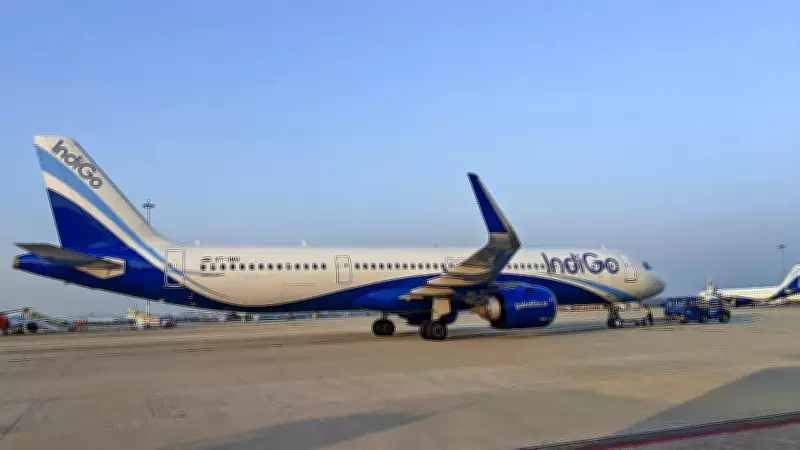
Government Directs Airlines to Reserve 60 Free Seats for Indian Flyers
In a significant move aimed at providing relief to air travelers, the Indian government has issued a directive requiring airlines to keep a minimum of 60 seats on flights free of charge. This decision comes as a response to growing concerns over escalating airfares and aims to enhance affordability and accessibility for passengers across the country.
Key Details of the Government Directive
The directive mandates that airlines operating in India must allocate at least 60 seats per flight without any cost to passengers. This initiative is designed to alleviate the financial burden on flyers, particularly during peak travel seasons when ticket prices often surge dramatically. The government's intervention underscores its commitment to ensuring that air travel remains within reach for a broader segment of the population.
Implementation and Compliance: Airlines are expected to comply with this new regulation promptly, with the government monitoring adherence to ensure that the benefits reach passengers effectively. The directive applies to both domestic and international flights operated by Indian carriers, emphasizing a nationwide approach to passenger relief.

Impact on Passengers and the Aviation Industry
This policy is poised to bring substantial benefits to Indian flyers, offering them opportunities to travel at reduced costs. By reserving free seats, the government aims to foster a more inclusive aviation environment, where economic constraints do not hinder mobility. Passengers can look forward to greater flexibility in planning their journeys, especially for essential travel such as medical emergencies, family visits, or business commitments.
Industry Response: While airlines may face operational adjustments, this move is anticipated to boost passenger confidence and potentially increase overall travel demand. The aviation sector, which has been grappling with fluctuating demand post-pandemic, might see a positive shift as more individuals opt for air travel due to enhanced affordability.
Broader Implications for Air Travel in India
The government's directive aligns with broader efforts to regulate the aviation industry and protect consumer interests. It reflects a proactive stance in addressing public grievances related to high airfares, which have been a persistent issue in recent years. By mandating free seats, authorities are not only providing immediate relief but also setting a precedent for future policies aimed at making air travel more equitable.
- Enhanced Accessibility: The reservation of free seats is expected to make air travel more accessible to low-income groups and students.
- Economic Benefits: Reduced travel costs could stimulate tourism and business activities, contributing to economic growth.
- Regulatory Framework: This move reinforces the government's role in overseeing the aviation sector to ensure fair practices.
In conclusion, the government's mandate for airlines to keep 60 seats free of charge marks a pivotal step towards alleviating the financial strain on Indian flyers. As airlines implement this directive, passengers can anticipate more affordable travel options, fostering a more inclusive and dynamic aviation landscape in India.