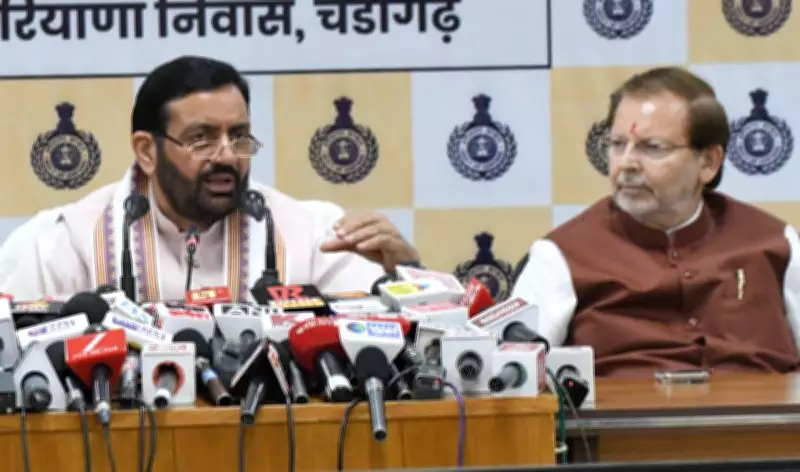
The Haryana Cabinet, chaired by Chief Minister Nayab Singh Saini, on Monday approved the revamped Mutual Online Transfer Policy (MOTP) 2026, introducing a revised 120-point scoring system and enhanced benefits for employees serving in hardship areas and for couples.
Key changes in the policy
The new policy replaces the earlier version and incorporates modifications based on observations from the Punjab and Haryana High Court. The 120-point scoring system has been revised to ensure transparency and fairness in the transfer process. Employees posted in difficult or remote areas will now receive additional points to facilitate their requests for transfer to more favorable locations.
Couple benefits have also been enhanced, allowing married employees both working in government service to apply for transfers to the same district or nearby areas more easily. The policy aims to reduce personal hardships and improve work-life balance.

Impact on employees
The revamped policy is expected to benefit thousands of state government employees, including teachers and other staff, who have been demanding a more streamlined and equitable transfer system. According to an official spokesperson, the cabinet decision will be implemented immediately, and detailed guidelines will be issued soon.
Chief Minister Nayab Singh Saini stated after the cabinet meeting that the policy reflects the government's commitment to employee welfare and administrative efficiency. "This policy will ensure that transfers are done in a fair and transparent manner, addressing the concerns of employees serving in difficult conditions," he said.
Background and next steps
The previous transfer policy had faced criticism and legal challenges, prompting the High Court to suggest improvements. The new MOTP 2026 incorporates those suggestions and introduces a more robust grievance redressal mechanism. The state government plans to roll out the online portal for submissions within a week.
Employees can expect faster processing of transfer applications and greater clarity on eligibility criteria. The policy also includes provisions for periodic review to adapt to changing requirements.