

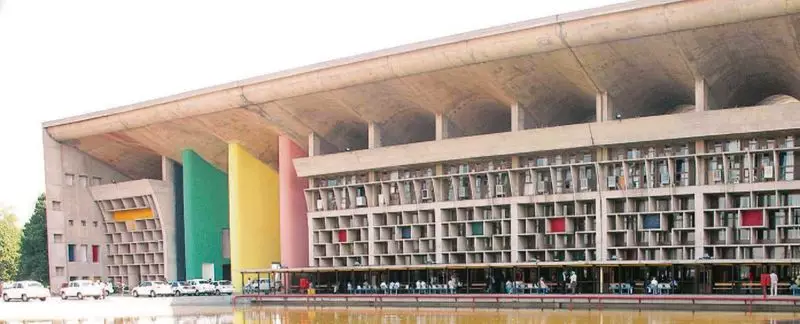
The Punjab and Haryana High Court has delivered a significant interim order, putting a stop to any further proceedings by a committee formed to evaluate the promotion of IAS officers in Punjab. The court has also formally issued a notice to the Punjab state government, seeking its official response on the matter.
Legal Challenge Halts Promotion Process
A bench comprising Justice Sanjeev Prakash Sharma and Justice Sudeepti Sharma passed this order while hearing a petition filed by a senior IAS officer, Mrs. Seema Jain. The petitioner, who currently holds the position of Additional Chief Secretary, challenged the very constitution and mandate of the promotion committee. The court's directive means the state government cannot proceed with the committee's work until further judicial examination.
The core of the dispute lies in the committee's task of preparing a fresh seniority list of IAS officers from the 1991 batch. Mrs. Jain's legal contention is that the committee's formation and its assigned work are fundamentally illegal and arbitrary. She argues that such an exercise falls outside the committee's legitimate scope and interferes with established service rules governing promotions and seniority.

State Government Directed to Respond
In its order dated May 13, 2024, the High Court has given the Punjab government a specific timeframe to present its side of the story. The state has been instructed to file its detailed reply to the petition. To ensure a thorough hearing, the court has scheduled the next date of hearing for July 30, 2024.
This legal development throws a spotlight on the internal administrative processes concerning the career progression of top bureaucrats in Punjab. The stay order indicates the court's prima facie consideration of the petitioner's arguments, leading to a judicial pause on a sensitive administrative activity.
Implications and Next Steps
The court's intervention has immediate implications for the promotion prospects of IAS officers within the state administration, particularly those from the 1991 batch whose seniority was under review. The outcome of this case could set a precedent for how such promotion committees are constituted and what functions they can legally perform.
All eyes will now be on the state government's reply, which must justify the committee's formation and its terms of reference. The subsequent hearing in July is expected to delve deeper into the legal merits of the challenge, determining whether the committee's work can resume or if it requires disbanding or reconstitution.
This case underscores the importance of adhering to due process and established service regulations in matters of bureaucratic promotions, ensuring fairness and transparency in the civil services.






