Punjab Pioneers India's First Organized On-Highway Urban Parking Project in Ludhiana
In a landmark initiative to combat chronic urban congestion, Punjab minister Sanjeev Arora officially inaugurated construction work on Sunday for India's inaugural organized on-highway urban parking development project. This pioneering effort represents a significant step forward in addressing the persistent traffic challenges faced by rapidly growing urban centers across the nation.
Transforming Idle Spaces into Functional Infrastructure
The pilot project, executed by the National Highways Logistics Management Limited (NHLML) — a specialized subsidiary of the National Highways Authority of India (NHAI) — establishes a comprehensive national blueprint for the scientific utilization of previously underutilized spaces beneath and alongside elevated highway corridors. This innovative approach transforms what was once considered 'dead space' into valuable urban infrastructure.
The ₹7-crore initiative specifically targets Ludhiana's most congested arterial routes, systematically converting underused land into structured, organized parking zones. The project gained momentum through sustained and coordinated engagement between the Punjab state government and various central agencies, successfully overcoming long-standing regulatory bottlenecks that had previously hindered such urban development initiatives.

Minister's Vision for Urban Transformation
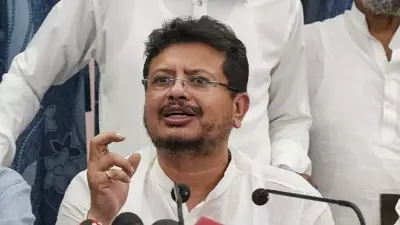
"This groundbreaking initiative will provide safe, organized, and easily accessible parking facilities for daily commuters, shoppers, and local residents," minister Sanjeev Arora emphasized during his address to reporters. "Beyond mere convenience, this project will significantly reduce roadside chaos, improve overall traffic discipline, and substantially enhance public safety across the city's key transportation corridors."
The minister further highlighted that this innovative model — which creatively utilizes the vacant spaces beneath elevated roads — has been specifically designed for replication in other major cities throughout Punjab and across various states in India. This scalable approach offers a practical solution to urban parking challenges nationwide.
Project Specifications and Implementation Framework
The ambitious project is being developed under a comprehensive Design, Build, Operate, and Transfer (DBOT) model with a 10-year concession period. This public-private partnership framework ensures efficient implementation and long-term maintenance of the facilities.
Key project specifications include:
- Capacity for 750 organized car parking slots
- Strategic stretch from Bharat Nagar Chowk to Sidhwan Canal
- Extension beneath the elevated corridor toward the ISBT
- 14 architecturally designed parking zones across both sides of the elevated road
- Estimated investment of ₹7 crore
- Completion timeline of six months
Government officials have confirmed that the new parking zones will be environmentally compliant and aesthetically integrated into the urban landscape, ensuring they enhance rather than detract from the city's visual appeal.
Political Support and Urban Development Priorities
The inauguration ceremony was attended by a high-level delegation including local MLAs, the Mayor, and the District Commissioner, demonstrating substantial political commitment to the state's push for people-centric urban growth. This collective support underscores the project's importance within Punjab's broader urban development strategy.
With work expected to be completed within six months, the project promises immediate relief to Ludhiana, a city that has long struggled with unregulated roadside parking and persistent traffic gridlock. This initiative represents a practical, scalable model for urban infrastructure development that balances functionality with environmental and aesthetic considerations.