

Preventive Health Yields Highest ROI, Yet Tertiary Care Dominates
As return on investment (ROI) becomes a key metric in health system planning, experts argue that preventive and promotive health investments deliver the greatest benefits, even though tertiary care often appears more politically lucrative. This perspective was highlighted by C K Mishra, former health secretary, and Abantika Ghosh in an opinion piece published on June 24, 2026.
The Disconnect Between Political Appeal and Economic Sense
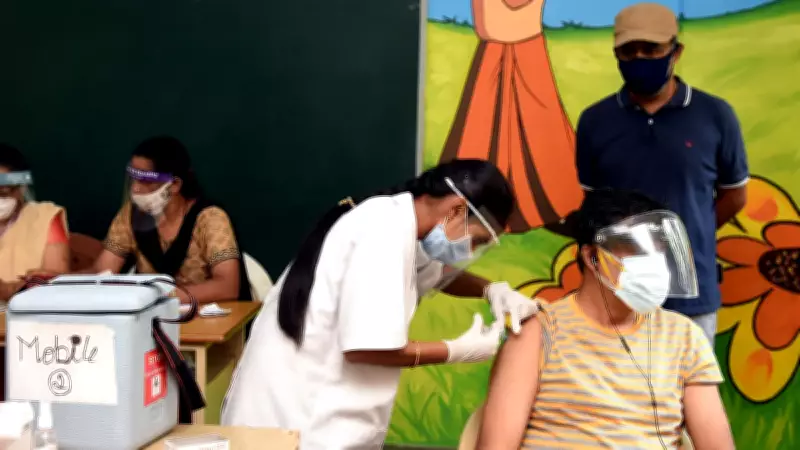
According to the authors, India's health system currently lacks a strong preventive spine. While tertiary care hospitals and high-tech treatments attract political attention and funding, preventive measures such as vaccination campaigns, health education, and early screening programs provide far better long-term value. For instance, every rupee spent on preventive health can save multiple rupees in future treatment costs, reducing the burden on the healthcare system.
Systemic Changes Needed for a Healthier India
Mishra and Ghosh call for a strategic reorientation of health spending. They emphasize that preventive health not only improves population health outcomes but also reduces the financial strain on families and the government. The article suggests that policymakers should prioritize investments in primary healthcare, community health workers, and disease surveillance systems. Without such a shift, India will continue to face high rates of non-communicable diseases and escalating healthcare costs.

Impact on Governance and Public Policy
The authors note that while tertiary care is essential for critical cases, an overemphasis on it leads to inequitable access and inefficiency. They advocate for a balanced approach where preventive and promotive health receive adequate funding and political backing. This change, they argue, is crucial for achieving universal health coverage and sustainable development goals.






