The Vanishing Footpaths: A Crisis for India's Pedestrians
Across India's bustling urban landscapes, a silent but critical infrastructure is rapidly disappearing. Footpaths, the fundamental right of every pedestrian, are being systematically encroached upon, leaving citizens with no safe space to walk. This alarming trend is forcing millions of people onto perilous roads, dramatically increasing the risk of accidents and fatalities. The issue is not confined to a single city but has become a nationwide urban planning failure, demanding immediate attention from authorities and policymakers.
Encroachments and Illegal Occupations
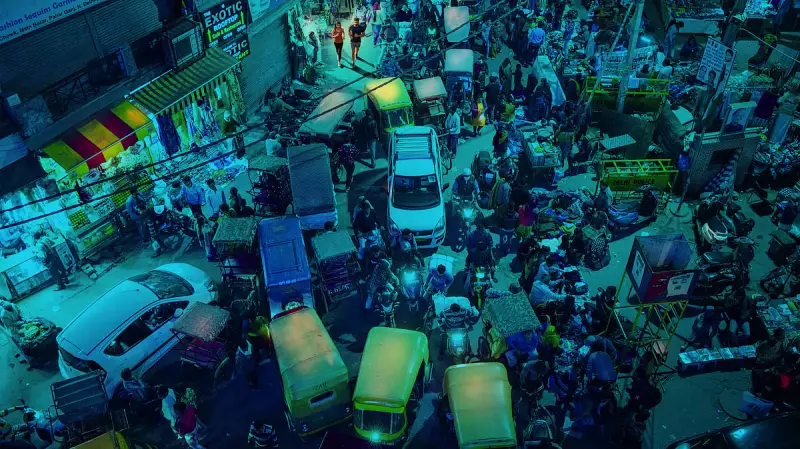
The primary culprits behind this crisis are widespread illegal encroachments. Vendors, shopkeepers, and even private vehicles routinely occupy footpaths, transforming them into extensions of commercial spaces or makeshift parking lots. In many areas, construction materials, debris, and garbage piles further block these pathways. This blatant disregard for pedestrian rights creates hazardous obstacles, forcing walkers to navigate through chaotic and often dangerous traffic. The lack of strict enforcement and regular monitoring by municipal corporations has allowed these encroachments to proliferate unchecked.
Design Flaws and Infrastructure Neglect
Beyond illegal occupations, many footpaths suffer from severe design flaws and chronic neglect. They are often constructed with uneven surfaces, inadequate width, or abrupt endings that drop directly onto busy roads. In numerous instances, essential amenities like streetlights are missing, making nighttime walking particularly treacherous. Furthermore, the absence of proper maintenance leads to broken tiles, potholes, and overgrown vegetation, rendering these pathways virtually unusable. This systemic infrastructure neglect reflects a broader urban planning mindset that prioritizes vehicles over pedestrians, undermining the safety and mobility of a significant portion of the population.

The consequences of this footpath crisis are dire and multifaceted. Pedestrians, including children, the elderly, and persons with disabilities, are forced to share roads with fast-moving vehicles, leading to a heightened risk of accidents and injuries. This lack of safe walking spaces also discourages people from choosing sustainable modes of transportation, contributing to increased traffic congestion and pollution. Additionally, the inaccessibility of footpaths severely impacts daily commutes, making simple tasks like going to work, school, or the market unnecessarily hazardous and stressful for millions of urban residents.
Call for Action and Sustainable Solutions
Addressing this pervasive issue requires a multi-pronged approach and sustained commitment from urban local bodies. First and foremost, there must be a rigorous crackdown on illegal encroachments through regular drives and stringent penalties. Simultaneously, cities need to invest in redesigning and widening footpaths to meet safety standards, ensuring they are continuous, well-lit, and properly maintained. Incorporating universal design principles can make these pathways accessible to all citizens, including those with mobility challenges. Public awareness campaigns and community participation are also crucial to foster a culture that respects pedestrian spaces and prioritizes walkability in urban development plans.