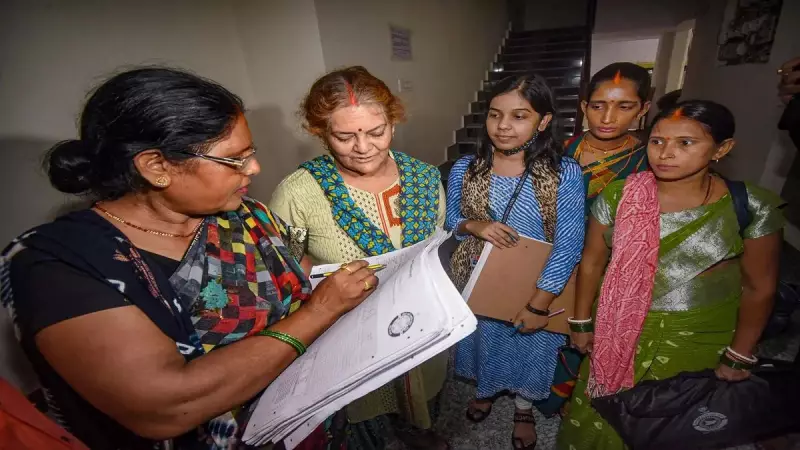
The Ministry of Home Affairs (MHA) has taken a significant stride towards the upcoming 2027 Census by unveiling the comprehensive questionnaire for Phase 1 of the national population enumeration. This pivotal document, released on January 23, 2026, sets the stage for the massive data collection exercise that is slated to kick off later in the same year. The census, conducted every ten years, serves as a cornerstone for governmental planning, resource allocation, and policy formulation across the nation.
Key Details of the Phase 1 Questionnaire
The newly released questionnaire is meticulously designed to capture a wide array of demographic and socio-economic information from households across India. It encompasses essential categories such as population details, housing characteristics, and access to basic amenities. The MHA has emphasized that this phase will focus on gathering preliminary data that will form the foundation for subsequent phases of the census. Officials have highlighted the inclusion of updated questions to reflect contemporary societal changes and technological advancements, ensuring the census remains relevant and accurate.
Preparations and Timeline for Data Collection
With the questionnaire now public, the MHA has outlined a detailed timeline for Phase 1, which is scheduled to commence in 2026. This initial phase will involve extensive training for enumerators and supervisors, along with widespread public awareness campaigns to encourage participation. The ministry aims to ensure a smooth and efficient data collection process, leveraging digital tools and methodologies to enhance accuracy and reduce errors. Stakeholders, including state governments and local authorities, are being mobilized to support this nationwide effort, underscoring the collaborative nature of the census operation.

Implications for Policy and Development
The data collected through this questionnaire will have far-reaching implications for India's developmental trajectory. It will provide critical insights into population trends, migration patterns, and living conditions, enabling targeted interventions in areas such as healthcare, education, and infrastructure. The MHA has reiterated that the census findings will play a vital role in shaping future government schemes and initiatives, aligning with national priorities like sustainable growth and inclusive development. Experts anticipate that the updated data will also aid in addressing emerging challenges, such as urbanization and climate change impacts.
Ensuring Accuracy and Public Participation
To maintain the integrity of the census, the MHA has implemented robust measures to verify and validate the collected data. This includes cross-checking mechanisms and the use of advanced technology to minimize discrepancies. The ministry has also called upon citizens to actively participate by providing accurate information, emphasizing that their cooperation is essential for a successful census. Public outreach programs are being planned to educate people about the importance of the census and how their data will be used confidentially for statistical purposes only.
In summary, the release of the Phase 1 questionnaire marks a crucial milestone in the lead-up to the 2027 Census. As India prepares for this decennial event, the MHA's efforts aim to ensure a comprehensive and reliable enumeration that will guide the nation's progress for years to come. The upcoming data collection phase in 2026 is expected to set a new benchmark in census operations, reflecting India's commitment to evidence-based governance and planning.