Minimum wages have long been regarded as a cornerstone of labour protection, ensuring a basic standard of living for workers. However, in India, these very laws are inadvertently pushing a larger number of employees into the informal sector, where regulations are often bypassed. This paradox highlights the need for a nuanced approach to wage policy that accounts for market realities and regional disparities.
The Unintended Consequence of Minimum Wage Laws
While the intent behind minimum wage legislation is to safeguard workers from exploitation, the implementation has led to unexpected outcomes. Employers, particularly in small and medium enterprises, often find it challenging to comply with mandated wage floors. As a result, many opt to hire workers informally, avoiding legal obligations such as provident fund contributions, insurance, and other benefits. This shift undermines the very protection the laws aim to provide.
Rise of Informal Employment
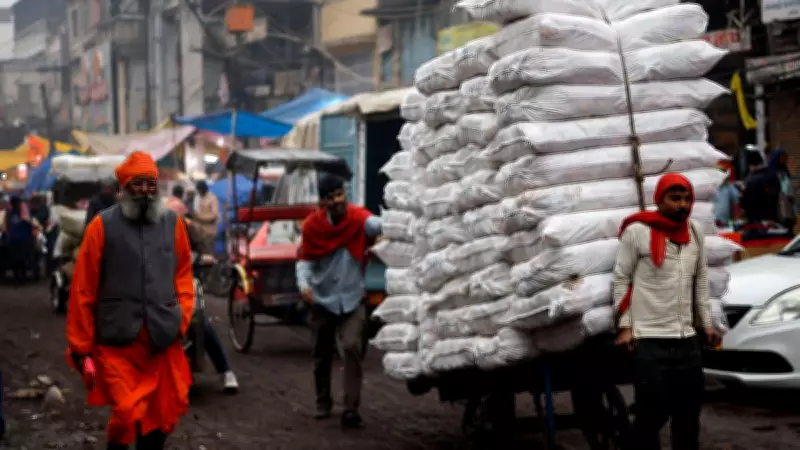
India's labour market is predominantly informal, with over 90% of workers engaged in the unorganized sector. The imposition of minimum wages without considering regional economic variations has exacerbated this trend. In states with lower productivity and cost of living, uniform wage floors can be unsustainable for businesses, leading to widespread non-compliance and informalization. Workers, in turn, lose access to social security and legal recourse.

Need for Market-Reflective Policies
Economists and policy experts argue that India's minimum wage policy must be flexible and grounded in local economic conditions. A one-size-fits-all approach fails to account for the vast differences in income levels, industrial development, and employment patterns across states. Instead, wage rates should be determined in consultation with regional stakeholders, including employers, workers, and local governments.
Regional Disparities in Focus
The disparity between states is stark. For instance, a minimum wage that is feasible in a metropolitan area like Mumbai may be prohibitively high in a rural district of Bihar. Such imbalances force businesses in less developed regions to either shut down or operate informally. To address this, a decentralized wage-fixing mechanism could allow states to set wages based on local indices of productivity and living costs.
Reforming the Minimum Wage Framework
India's labour codes, including the Code on Wages, 2019, aim to simplify and universalize wage regulation. However, without careful calibration, these reforms risk perpetuating the cycle of informalization. Policymakers must ensure that minimum wages are not only fair but also enforceable. This requires strengthening labour inspection mechanisms, promoting formalization through incentives, and gradually phasing in wage increases to allow businesses to adapt.
A Balanced Approach
A balanced approach would involve setting a national floor wage that is modest and universally applicable, while allowing states to adjust upwards based on their economic capacity. Additionally, linking wage hikes to productivity gains can ensure that workers benefit without harming employment. Social dialogues between trade unions and employer associations should be institutionalized to negotiate wages that reflect ground realities.
In conclusion, while minimum wages are essential for labour welfare, their design and implementation must be sensitive to India's diverse economic landscape. Otherwise, they risk becoming a tool that inadvertently excludes workers from formal protections. A pragmatic, region-specific policy can help achieve the dual goal of fair wages and decent employment for all.